Ukjent sin avatar

Bench-to-bedside review: Carbon dioxide

Om CO2 i helbredelse av vev. Viktig oversikt som nevner CO2 sin bane og effekt gjennom hele organismen – fra DNA til celle til vev til blod. Bekrefter ALT jeg har funnet om CO2 og pusteknikkene. Nevner også potensiell farer, som kun skjer ved akutt hypercapnia. Nevner også en meget spennende konsept om å buffre CO2 acidose med bikarbonat (Natron). I kliniske tilfeller på sykehus kan det ha negative effekter, men hos normale mennesker vil det virke som en effektiv buffer.

http://www.ncbi.nlm.nih.gov/pmc/articles/PMC2887152/

Hypercapnia may play a beneficial role in the pathogenesis of inflammation and tissue injury, but may hinder the host response to sepsis and reduce repair. In contrast, hypocapnia may be a pathogenic entity in the setting of critical illness.

For practical purposes, PaCO2 reflects the rate of CO2 elimination.

The commonest reason for hypercapnia in ventilated patients is a reduced tidal volume (VT); this situation is termed permissive hypercapnia.

http://www.ncbi.nlm.nih.gov/pmc/articles/PMC2887152/table/T1/?report=previmg

High VT causes, or potentiates, lung injury [4]. Smaller VT often leads to elevated PaCO2, termed permissive hypercapnia, and is associated with better survival [5,6]. These low-VT strategies are not confined to patients with acute lung injury (ALI)/acute respiratory distress syndrome (ARDS); they were first reported successful in severe asthma [7], and attest to the overall safety of hypercapnia. Indeed, hypercapnia in the presence of higher VT may independently improve survival [8].

Hypocapnia is common in several diseases (Table ​(Table1;1; for example, early asthma, high-altitude pulmonary edema, lung injury), is a common acid-base disturbance and a criterion for systemic inflammatory response syndrome [9], and is a prognostic marker of adverse outcome in diabetic ketoacidosis [10]. Hypocapnia – often prolonged – remains common in the management of adult [11] and pediatric [12] acute brain injury.

Table 1

Causes of hypocapnia

Hypoxemia Altitude, pulmonary disease
Pulmonary disorders Pneumonia, interstitial pneumonitis, fibrosis, edema, pulmonary emboli, vascular disease, bronchial asthma, pneumothorax
Cardiovascular system disorders Congestive heart failure, hypotension
Metabolic disorders Acidosis (diabetic, renal, lactic), hepatic failure
Central nervous system disorders Psychogenic/anxiety hyperventilation, central nervous system infection, central nervous system tumors
Drug induced Salicylates, methylxanthines, β-adrenergic agonists, progesterone
Miscellaneous Fever, sepsis, pain, pregnancy

CO2 is carried in the blood as HCO3-, in combination with hemoglobin and plasma proteins, and in solution. Inside the cell, CO2 interacts with H2O to produce carbonic acid (H2CO3), which is in equilibrium with H+ and HCO3-, a reaction catalyzed by carbonic anhydrase. CO2 transport into cells is complex, and passive diffusion, specific transporters and rhesus proteins may all be involved.

CO2 is sensed in central and peripheral neurons. Changes in CO2 and H+ are sensed in chemosensitive neurons in the carotid body and in the hindbrain [13,14]. Whether CO2 or the pH are preferentially sensed is unclear, but the ventilatory response to hypercapnic acidosis (HCA) exceeds that of an equivalent degree of metabolic acidosis [15], suggesting specific CO2 sensing.

An in vitro study has demonstrated that elevated CO2 levels suppress expression of TNF and other cytokines by pulmonary artery endothelial cells via suppression of NF-κB activation [18].

Furthermore, hypercapnia inhibits pulmonary epithelial wound repair also via an NF-κB mechanism [19].

The physiologic effects of CO2 are diverse and incompletely understood, with direct effects often counterbalanced by indirect effects.

Hypocapnia can worsen ventilation-perfusion matching and gas exchange in the lung via a number of mechanisms, including bronchoconstriction [21], reduction in collateral ventilation [22], reduction in parenchymal compliance [23], and attenuation of hypoxic pulmonary vasoconstriction and increased intrapulmonary shunting [24].

CO2 stimulates ventilation (see above). Peripheral chemoreceptors respond more rapidly than the central neurons, but central chemosensors make a larger contribution to stimulating ventilation. CO2increases cerebral blood flow (CBF) by 1 to 2 ml/100 g/minute per 1 mmHg in PaCO2[25], an effect mediated by pH rather than by the partial pressure of CO2.

Hypercapnia elevates both the partial pressure of O2 in the blood and CBF, and reducing PaCO2 to 20 to 25 mmHg decreases CBF by 40 to 50% [26]. The effect of CO2 on CBF is far larger than its effect on the cerebral blood volume. During sustained hypocapnia, CBF recovers to within 10% baseline by 4 hours; and because lowered HCO3-returns the pH towards normal, abrupt normalization of CO2 results in (net) alkalemia and risks rebound hyperemia.

Hypocapnia increases both neuronal excitability and excitatory (glutamatergic) synaptic transmission, and suppresses GABA-A-mediated inhibition, resulting in increased O2 consumption and uncoupling of metabolism to CBF [27].

Hypercapnia directly inhibits cardiac and vascular muscle contractility, effects that are counterbalanced by sympathoadrenal increases in heart rate and contractility, increasing the cardiac output overall [28].

Indeed, a large body of evidence now attests to the ability of hypercapnia to increase peripheral tissue oxygenation, independently of its effects on cardiac output [30,31].

The beneficial effects of HCA in such models are increasingly well understood, and include attenuation of lung neutrophil recruitment, pulmonary and systemic cytokine concentrations, cell apoptosis, and O2-derived and nitrogen-derived free radical injury.

Concern has been raised regarding the potential for the anti-inflammatory effects of HCA to impair the host response to infection. In early pulmonary infection, this potential impairment does not appear to occur, with HCA reducing the severity of acute-severe Escherichia coli pneumonia-induced ALI [41]. In the setting of more established E. coli pneumonia, HCA is also protective [42].

Hypocapnia increases microvascular permeability and impairs alveolar fluid reabsorption in the isolated rat lung, due to an associated decrease in Na/K-ATPase activity [47].

HCA protects the heart following ischemia-reperfusion injury.

Hypercapnia attenuates hypoxic-ischemic brain injury in the immature rat [52] and protects the porcine brain from reoxygenation injury by attenuation of free radical action. Hypercapnia increases the size of the region at risk of infarction in experimental acute focal ischemia; in hypoxic-ischemic injury in the immature rat brain, hypocapnia worsens the histologic magnitude of stroke [52] and is associated with a decrease in CBF to the hypoxia-injured brain as well as disturbance of glucose utilization and phosphate reserves.

Indeed, hypocapnia may be directly neurotoxic, through increased incorporation of choline into membrane phospholipids [56].

Rapid induction of hypercapnia in the critically ill patient may have adverse effects. Acute hypercapnia impairs myocardial function.

In patients managed with protective ventilation strategies, buffering of the acidosis induced by hypercapnia remains a common – albeit controversial – clinical practice.
While bicarbonate may correct the arterial pH, it may worsen an intracellular acidosis because the CO2 produced when bicarbonate reacts with metabolic acids diffuses readily across cell membranes, whereas bicarbonate cannot.

Hypocapnia is an underappreciated phenomenon in the critically ill patient, and is potentially deleterious, particularly when severe or prolonged. Hypocapnia should be avoided except in specific clinical situations; when induced, hypercapnic acidosis should be for specific indications while definitive measures are undertaken.
Ukjent sin avatar

Intermittent Hypoxia Research in the Former Soviet Union and the Commonwealth of Independent States: History and Review of the Concept and Selected Applications

Svært viktig review om IHT – intermittend hypoxia training – som det har blitt gjort mye forskning på i russland, men først nå begynt å bli interessant i vesten. Nevner hvordan co2 reageer på hypoxi, og nervesystemet og vevet og i mitchondria, inklidert at SOD øker med 70% og at IHT normaliserer NO som lagres i blodkarene. Om at IHT kan brukes i behandling av sykdommer, inkludert strålingskader fra Chernobyl. Metoden er en «rebreathing» frem til O2% er nede på 7% – ca. 5 minutter daglig i 3 dager.

http://altitudenow.com/images/Hypoxia_in_USSR.pdf

To the present day, intermittent hypoxic training (IHT) has been used extensively for altitude preacclimatization; for the treatment of a variety of clinical disorders, including chronic lung diseases, bronchial asthma, hypertension, diabetes mellitus, Parkinson’s disease, emotional disorders, and radiation toxicity, in prophylaxis of certain occupational diseases; and in sports.

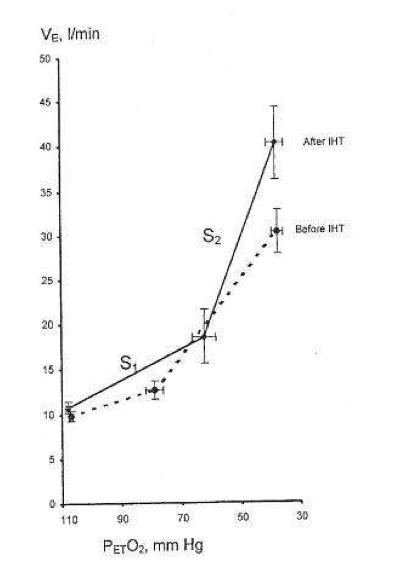
The basic mechanisms underlying the beneficial effects of IHT are mainly in three areas: regulation of respiration, free-radical production, and mitochondrial respiration. It was found that IHT induces increased ventilatory sensitivity to hypoxia, as well as other hypoxia-related physiological changes, such as increased hematopoiesis, alveolar ventilation and lung diffusion capacity, and alterations in the autonomic nervous system.

Skjermbilde 2013-06-23 kl. 11.20.57

Due to IHT, antioxidant defense mechanisms are stimulated, cellular membranes become more stable, Ca2+ elimination from the cytoplasm is increased, and 02 transport in tissues is improved. IHT induces changes within mitochondria, involving NAD-dependent metabolism, that increase the efficiency of oxygen utilization in ATP production. These effects are mediated partly by NO-dependent reactions.

Particularly at issue are the effects in humans of such transient bouts of hypoxia when repeated many times, a practice designated as intermittent hypoxia. Furthermore, when intermittent hypoxia as a specific protocol is employed to accomplish a particular aim, for example, acclimatization to high altitude, we use the term intermittent hypoxic training or IHT.

The interested reader is referred to more extensive recent scientific and historical reviews and investigative reports in Russian and Ukrainian, particularly as related to the potential thera- peutic effects of intermittent hypoxia (Berezovsky et al., 1985; Karash et al., 1988; Meerson et al., 1989; Anokhin et al., 1992; Berezovskii and Levashov, 1992; Donenko, 1992; Ehrenburg, 1992; Fesenko and Lisyana, 1992; Vinnitskaya et al., 1992; Serebrovskaya et al., 1998a,b; Volobuev, 1998; Chizhov and Bludov, 2000; Ragozin et al., 2000). Noted also is the use of IHT in the prophylaxis of professional occupational diseases (Berezovsky et al., 1985; Karash et al., 1988; Serebrovskaia et al., 1996) and in sports (Volkov et al., 1992; Radzievskii, 1997; Kolchinskaya et al., 1998, 1999). Recent reviews from Western Europe and North America are also given (Bavis et al., 2001; Clanton and Klawitter, 2001; Fletcher, 2001; Cozal and Cozal, 2001; Mitchell et al., 2001; Neubauer, 2001; Prabhakar, 2001; Prabhakar et al., 2001; Wilber, 2001).

During successive altitude exposures, compared with the initial exposure, the higher ventilation and blood arterial oxygen saturation, together with the lower blood Pco2, implied that ventilatory sensitivity to hypoxia had been increased.

In the intervening years to the present, intermittent hypoxia has been used extensively in the Soviet Union and the CIS not only for altitude pre acclimatization (Gorbachenkov et al., 1994), but also it has been proposed for treatment of a variety of clinical disorders, including chronic lung diseases and bronchial asthma in children and adults (Meerson et al., 1989; Anokhin et al., 1992; Berezovskii and Levashov, 1992; Donenko, 1992; Ehrenburg and Kordykinskaya, 1992; Fesenko and Lisyana, 1992; Redzhebova and Chizhov, 1992; Vinnitskaya et al., 1992; Lysenko et al., 1998; Serebrovskaya et al., 1998b; Chizhov and Bludov,2000; Ragozin et al.,2000, 2001), hypertension (Meerson et al., 1989; Potievskaya and Chizhov, 1992; Rezapov, 1992), emotional disorders (Gurevich et al., 1941), diabetes mellitus (Kolesnyk et al., 1999; Zakusilo et al., 2001), Parkinson’s disease (Kolesnikova and Serebrovskaya, 1998; Serebrovskaya et al., 1998a), inflammatory processes (Tkatchouk, 1994; Tsvetkova and Tkatchouk, 1999), radiation toxicity (Karash et al., 1988; Sutkovyi et al., 1995; Serebrovskaia et al., 1996; Strelkov, 1997; Strelkov and Chizhov, 1998), and certain occupational diseases (Berezovsky et al., 1985; Karash et al., 1988; Rushkevich and Lepko, 2001).

If so, then in normal humans only a few minutes of daily hypoxic exposure rapidly induces detectable increments in hypoxic ventilatory response, a hallmark of altitude acclimatization.

Hypocapnia occurs with altitude acclimatization and ventilation remains increased for days after the subjects return to sea level. By contrast, in the two above studies, eucapnia was maintained during the hypoxic exposures and neither normoxic venilation nor normoxic PC02 was altered by IHT, suggesting that only the hypoxemia and not changes in PC02 (or pH) were involved.

Changing CO2, either for the carotid body or the brain, did not induce ventilatory acclimatization to hypoxia. The work from Bisgard’s laboratory suggested that ventilatory acclimatization to hypoxia in the goat depends almost exclusively on the carotid body’s response to low oxygen. If similar mechanisms operate in humans, then ventilatory acclimatization to hypoxia, operating via the carotid body and independent of changes in pH or PCO2, can be induced by IHT. What is remarkable is that such brief periods of hypoxia can have such clearly measurable increases in the ventilatory response to hypoxia.

In addition to increasing hypoxic ventilatory sensitivity, CIS investigators have reported that IHT increases tidal volume and alveolar blood flow during exercise, improves matching of ventilation to perfusion, increases lung diffusion capacity, redistributes peripheral blood flow during exercise, decreases heart rate, increases stroke volume, and increases blood erythrocyte counts (Volkov et al., 1992; Kolchinskaya, 1993; Radzievskii 1997; Kolchinskaya et al., 1999; Maluta and Levashov, 2001). These effects have been considered to be beneficial in training athletes (Volkov et al., 1992; Radzievskii, 1997). Such findings await independent confirmation from others.

The spectral analysis suggested that after IHT there was greater parasympathetic preponderance during the hypoxic challenge than in the control group. These novel studies conducted in Ukraine suggested that IHT mimicked the usual acclimatization to high altitude, with its primarily greater parasympathetic activity (Reeves, 1993; Hughson et al., 1994). Such activation of the parasympathetic system by IHT was supported by experiments in rats (Doliba et al., 1993; Kurhalyuk et al., 2001a, b, see below).

Among these effects are that brief hypoxic stimuli of only several minutes per day for only a few days give responses that last many days, even weeks, and also that IHT apparently affects a multitude of normal functions and disease states.

This work, as well as more recent studies (Lukyanova, 1997; Sazontova et al., 1997; Kondrashova et al., 1997; Temnov et al., 1997; Lebkova et al., 1999), indicated that the basic molecular response to any type of hypoxic challenge involves the mitochondrial enzyme complexes (MchEC). There is evidence that energy metabolism under acute hypoxia is affected even before a significant decrease in oxygen consumption becomes measurable and before cytochrome c oxidase (CO) activity is significantly reduced.

In the cascade of hypoxia-induced metabolic alterations, MchEC I is most sensitive to intracellular oxygen shortage. The reversible inhibition of MchEC I leads to both the suppression of reduced equivalent flux through the NAD-dependent site of the respiratory chain and the emergency activation of compensatory metabolic pathways, primarily the succinate oxidase pathway. The switch of energy metabolism to this pathway is the most efficient energy-producing pathway available in response to a lack of O2 (Lukyanova et al., 1982).

Skulachev (1996) proposed a two-stage mechanism that allows mitochondria to regulate O2 concentrations and to protect against oxidative stress: (1) «soft» decoupling of oxidative phosphorylation for «fine-tuning» and (2) decrease of the reduction level of respiratory chain components by opening nonspecific mitochondrial inner membrane pores as a mechanism to cope with massive O2 excess.

However, parallel nonenzymatic processes result in O2 formation. This is especially the case when 02 concentrations reach the capacity of the respiratory chain enzymes. Reduction in O2 concentrations leads to an exponential decrease in radical formation. Skulachev (1995) hypothesizes that mitochondria have a mechanism for «soft» decoupling in stage 4 of the respiratory chain. This mechanism prevents the complete inhibition of respiration, the complete reduction of respiratory carriers, and the accumulation of reactive compounds such as ubisemiquinone (CoQ·-). Such a mechanism will be activated, for example, if the capacity of the respiratory chain is decreased due to a reduced availability of ADP.

In contrast to the constriction of capillaries, which prevents undesirably high O2 concentrations in tissue, «soft» decoupling allows fine-regulation on an intracellular level.

Adaptation to hypoxia by an intermittent hypoxic challenge is associated with the expression of, and a shift toward, enzyme isoforms that can efficiently function in a mitochondrial environment with high concentrations of reduced equivalents as generated during hypoxia. This prevents inactivation of the MchEC and may constitute one of the adaptation mechanisms triggered by intermittent hypoxia.

One of the most significant peculiarities of adaptation to intermittent hypoxia is free-radical processes.

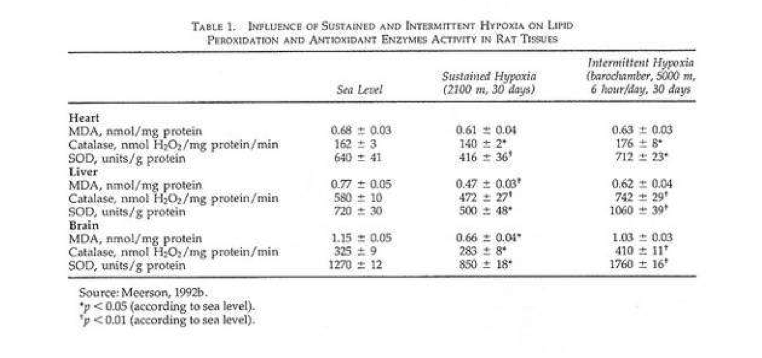
The periods of reoxygenation could lead to oxygen radical formation, which might be analogous to that occurring with normoxic reperfusion of transiently hypoxic or ischemic tissues (Belykh et al., 1992; Meerson et al., 1992a). If periods of hypoxia followed by normoxia led to formation of oxygen radicals, but if the hypoxia were much briefer than the periods of normoxia, and if the exposure sequence were repeated over days, then one might expect that antioxidant defenses could be enhanced much more effectively than in sustained hypoxia.

In a recent study rats were given shorter hypoxic exposures: 15 min five times daily for 14 d (Kurhalyuk and Serebrovskaya, 2001). When they were subsequently challenged by exposure to 7% oxygen, blood catalase and glutathione reductase activity were increased and malon dialdehyde concentration was half that of non-IHT controls. The findings were consistent with the concept that intermittent hypoxia stimulates increased antioxidant defenses.

While there was considerable individual variability in the findings (Table 2), our indexes of oxidant stress before IHT were higher in the Chernobyl workers. We used a program of IHT: isocapnic, progressive, hypoxic rebreathing lasting for 5 to 6 min until inspired air O2 reached 8% to 7%, with three sessions, separated by 5 min, of normoxia, per day for 14 consecutive days. The use of IHT was accompanied by a decrease of spontaneous and hydrogen peroxide-initiated blood chemiluminescene, as well as considerable reduction of MDA content (Table 2). Of interest, more recent study on patients with bronchial asthma, who also were characterized by indexes suggestive of oxidative stress, have shown that similar IHT produced the increase of superoxide dismutase (SOD) activity by nearly 70%. This increase correlated with a decrease in MDA content (r = -0.61, P< 0.05) (Safronova et al., 1999; Serebrovskaya et al., 1999c).

Skjermbilde 2013-06-23 kl. 11.39.58

Thus studies in humans and in tissues have shown that adaptation to intermittent hypoxia induces increased antioxidant defenses, acceleration of electron transport in the respiratory chain, stabilization of cellular membranes, and Ca2+ elimination from the cytoplasm. These data served as the basis for IHT in the treatment of various diseases in which free-radical production might be anticipated, for example, bronchial asthma and post-Chernobyl syndromes.

Recent studies have shown the following principal results: (1) adaptation to intermittent hypobaric hypoxia stimulates NO production in the organism; (2) excessive NO synthesized in the course of adaptation is stored in the vascular wall; (3) adaptation to hypoxia prevents both NO over-production and NO deficiency, resulting in an improvement in blood pressure; and (4) effects of intermittent hypoxia on mitochondrial respiration are mediated mainly by NO-dependent reactions (Manukhina et al., 1999, 2000a,b; Malyshev et al., 2000; Ikkert et al., 2000; Smirin et al., 2000; Kurhalyuk and Serebrovskaya, 2001; Kurhalyuk et al., 2001b; Serebrovskaya et al., 2001).

A somewhat different hypothesis has also been suggested, that the electron transport function of the myocardial respiratory chain in the NAD-cytochrome-b area is limited to a greater extent in animals poorly tolerant to hypoxia than in those that are not. In intolerant animals, even mild hypoxia leads to diminution of the oxidative capacity of the respiratory chain and of ATP production and, as a consequence, to a suppression of the energy-dependent contractile function of the myocardium. In animals more tolerant of hypoxia, this process is less manifest and develops very slowly, which confirms the lesser role of NAD-dependent oxidation of substrates in the metabolism of the myocardium of these animals (Korneev et al., 1990).

Taken together these studies suggest that IHT induces increased ventilatory sensitivity to hypoxia in the absence of Pco2 or pH changes; that it induces other hypoxia-related physiological changes such as increased hematopoiesis and decreased plasma volume and increase in alveolar ventilation and lung diffusion capacity; and that it may be useful in the management of certain disease states. The effects appear to be mediated, at least in part, through release of reactive oxygen species, which then induce an increase of antioxidant defenses. In addition, IHT appears to induce changes within mitochondria, possibly involving NAD-dependent metabolism, that increase the efficiency of oxygen utilization in ATP production.

Ukjent sin avatar

Pathophysiology of Nerve Compression Syndromes: Response of Peripheral Nerves to Loading

Om nerve compression syndrome, som sannsynligvis er årsaken til de fleste plager folk kommer til behandling for. Nevner hvordan nervevev påvirkes i løpet av timer, dager og uker. Nevner de 3 gradene av kompresjon og hvilke symptomer de gir.

http://ergo.berkeley.edu/docs/1999rempeljbjs.pdf

Nerve compression syndromes involve peripheral- nerve dysfunction that is due to localized interference of microvascular function and structural changes in the nerve or adjacent tissues.

When tissues are subjected to load or pressure, they deform and pressure gradients are formed, redistribut- ing the compressed tissue toward areas of lower pres- sure. Nerve compression syndromes usually occur at sites where the nerve passes through a tight tunnel formed by stiff tissue boundaries. The resultant con- fined space limits movement of tissue and can lead to sustained tissue pressure gradients. Space-occupying structures or lesions (for example, lumbrical muscles, tu- mors, and cysts) can cause nerve compression injury, as can conditions associated with accumulation of fluid (for example, pregnancy, congestive heart failure, and muscle compartment syndromes) or accumulation of extracellular matrix (for example, acromegaly, myx- edema hypothyroidism, and mucopolysaccharidosis)76.

Although nerve injuries related to vibration occur near the region of exposure, the symptoms may be manifest at another site, where the nerve may be constricted.

Other conditions, such as diabetes mellitus, may increase the likelihood that a compressed nerve will undergo a pathological response. In addition, there may be an in- flammatory reaction that may impair the normal gliding of the nerve.

Lying next to the myelinated nerve fibers are many nonmyelinated fibers associated with one Schwann cell. Myelinated and nonmyelinated nerve fibers are organized in bundles, called fascicles, which are surrounded by a strong membrane called the peri- neurial membrane, consisting of laminae of flattened cells.

Between the nerve fibers and their basal mem- brane is an intrafascicular connective tissue known as the endoneurium. The quantity of the connective-tissue components may vary between nerves and also along the length of the same nerve. For example, nerves lo- cated superficially in the limb or parts of the nerve that cross a joint contain a greater quantity of connective tissue, possibly as a response to repeated loading76.

The propagation of impulses in the nerve fibers as well as the communication and nutritional transport sys- tem in the neuron (axonal transport) requires an ade- quate energy supply. Therefore, the peripheral nerve contains a well developed microvascular system with vascular plexuses in all of its layers of connective tis- sue36,38. The vessels approach the nerve trunk segmen- tally and have a coiled configuration so that the vascular supply is not impaired during normal gliding or excur- sion of the nerve trunk. When the vessels reach the nerve trunk, they divide into branches that run longi- tudinally in various layers of the epineurium and they also form numerous collateral connections to vessels in the perineurial sheath. When the vessels pass through the perineurium into the endoneurium, which contains primarily capillaries, they often go through the perineu- rium obliquely, thereby constituting a possible valve mechanism36,38.

The perineurial layer and the endoneurial vessels play an important role in protecting the nerve fibers in the fascicles. The endoneurial milieu is protected by a blood-nerve barrier, and the tissue pressure in the fascicle (endoneurial fluid pressure) is slightly positive50.

The median and ulnar nerves may glide 7.3 and 9.8 millimeters, respectively, during full flexion and extension of the elbow, and the extent of excursion of these nerves just proximal to the wrist is even more pronounced (14.5 and 13.8 millimeters, respectively)90. In relation to the flexor retinaculum, the median nerve can move a maximum of 9.6 millimeters during wrist flexion and somewhat less during wrist extension; it also moves during motion of the fingers48.

Acute Effects of Nerve Compression (Effects within Hours)
In animal experiments, low-magnitude extraneural compression was noted to decrease intraneural micro- vascular flow, impair axonal transport, and alter nerve structure and function. Extraneural pressures of 2.7 kilo- pascals (twenty millimeters of mercury), induced with use of miniature inflatable cuffs, reduced epineurial ve- nule blood flow68. At pressures of 10.7 kilopascals (eighty millimeters of mercury), all intraneural blood flow ceased. Similarly, pressures of 4.0 kilopascals (thirty mil- limeters of mercury) inhibited both fast and slow ante- grade as well as retrograde axonal transport8.

In subjects with different blood pres- sures, the critical extraneural pressure threshold above which nerve function was blocked was 4.0 kilopascals (thirty millimeters of mercury) less than the diastolic pressure. This finding, combined with the observation that carpal tunnel syndrome may manifest with the treat- ment of hypertension17, provides additional support for an ischemic mechanism of acute nerve dysfunction.

Short-Term Effects of Nerve Compression (Effects within Days)
Com- pression of 4.0 kilopascals led to an elevated endoneu- rial pressure, which persisted for twenty-four hours after release of the cuff. Furthermore, the endoneurial pres- sures at twenty-four hours after release of the cuff increased with increasing durations of compression. His- tological examination demonstrated endoneurial edema in the nerves that had been subjected to eight hours of compression but not in those subjected to shorter dura- tions. Eight hours of compression led to an increase of the endoneurial pressures to levels that can reduce in- traneural blood flow51.

The study demonstrated that, af- ter low elevations of extraneural pressure for only two hours, endoneurial fluid pressures increased rapidly and the increases persisted for at least an additional twentyfour hours40. These effects probably are due to the in- creased vascular permeability of the epineurial and en- doneurial vessels after compression. Other studies have demonstrated that ischemia alters the structure of the endothelial and basement membranes over a similar time-frame2.

Long-Term Effects of Nerve Compression (Effects within Weeks)
Edema was visible in the sub- perineurial space within four hours in all compression subgroups, and it persisted for the entire duration of the study. Inflammation and fibrin deposits occurred within hours after compression, followed by prolifera- tion of endoneurial fibroblasts and capillary endothe- lial cells. Vigorous proliferation of fibrous tissue was noted within days, and marked fibrosis and sheets of fibrous tissue were seen extending to adjacent structures at twenty-eight days. Endoneurial invasion of mast cells and macrophages was noted, especially at twenty-eight days. Axonal degeneration was noted in the nerves sub- jected to 10.7 kilopascals of compression and, to a lesser extent, in those subjected to 4.0 kilopascals of compres- sion. It rarely was seen in the nerves subjected to 1.3 kilopascals of compression. Axonal degeneration was associated with the degree of endoneurial edema. De- myelination and Schwann-cell necrosis at seven and ten days was followed by remyelination at fourteen and twenty-eight days. Demyelination was prominent in the nerves subjected to 4.0 kilopascals of compres- sion and, to a lesser extent, in those subjected to1.3 kilo- pascals of compression.

The tension of the ligatures or the inner diameter of the tube generally was selected so that blood flow was not visibly restricted. The re- sponse of nerves to compression in these studies was similar to that in the experiments involving compression with a cuff. For example, the application of loose liga- tures around the sciatic nerve led to perineurial edema with proliferation of endothelial cells and demyelina- tion within the first few days, to proliferation of fibro- blasts and macrophages as well as degeneration of distal nerve fibers and the beginning of nerve sprouts within one week, to invasion by fibrous tissue and remyelina- tion at two weeks, to regeneration of nerve fibers as well as thickening of the perineurium and the vessel walls at six weeks, and to remyelination of distal nerve segments at twelve weeks73.

Applica- tion of silicone tubes with a wide internal diameter can induce increased expression of interleukin-1 and trans- forming growth factor beta-1 in the nerve cell bodies in the dorsal root ganglia, but the relevance of this finding remains to be clarified92. The limitations of these models are that (1) the effects of the tissue inflammatory reac- tion to the device (foreign-body reaction) usually are not considered but do occur29 and (2) it is not possible to measure or control the applied extraneural pressure. However, these observational studies provide some in- sight into the biological response of the nerve to chronic low-grade compression.

In a few case reports on patients in whom a nerve segment was resected, the nerve at the site of the injury was compared with a nerve at a site proximal or distal to the injury47,55,82. In each instance, there was thickening of the walls of the microvessels in the endo- neurium and perineurium as well as epineurial and peri- neurial edema, thickening, and fibrosis at the site of the injury. Thinning of the myelin also was noted, along with evidence of degeneration and regeneration of fibers. The patients in these reports had advanced stages of compression syndrome. Earlier in the course of the dis- ease, a segment of the nerve usually is compressed with disturbance of the microcirculation, which is restored immediately after transection of the flexor retinaculum. There is usually both an immediate and a delayed return of nerve function, indicating the importance of ischemia in the early stages of compression syndrome43.

The tissues that lie next to a nerve, within a confined space (for example, synovial tissue within the carpal tunnel), are more easily obtained and can provide infor- mation on the response of these tissues to compres- sion18,20,32,53,61,69,70,91.
The im- portant findings were increased edema and vascular sclerosis (endothelial thickening) in samples from the patients, who were between the ages of nineteen and seventy-nine years. Inflammatory cell infiltrates (lym- phocytes and histiocytes) were observed in only 10 per- cent (seventeen) of the 177 samples. Surprisingly, the prevalence of fibrosis (3 percent [five of 177]) was much lower than the prevalences of 33 percent (fifteen of forty-five) to 100 percent (twenty-one of twenty-one) reported in the other studies.

The initial symptoms of compres- sion of the median nerve at the wrist (carpal tunnel syndrome) usually are intermittent paresthesia and def- icits of sensation that occur primarily at night (stage I). These symptoms probably are due to changes in the intraneural microcirculation that are associated with some edema, which disappears during the day.
Progres- sive compression leads to more severe and constant symptoms that do not disappear during the day (stage II); these include paresthesia and numbness, impaired dexterity, and, possibly, muscle weakness. During this stage, the microcirculation may be altered throughout the day by edema and there may be morphological changes such as segmental demyelination.
In the final stage (stage III), there are more pronounced morpho- logical changes accompanied by degeneration of the nerve fibers; these changes manifest as constant pain with atrophy of the median-nerve-innervated thenar muscles and permanent sensory dysfunction.

In a study of the ulnar nerve at the elbow, localized areas of strain (nerve-stretching) of greater than 10 percent were observed in some cadav- eric arms83. A strain of 6 to 8 percent can limit blood flow in a nerve or can alter nerve function5,37,59.

Overview
First, elevated extraneural pressures can, within min- utes or hours, inhibit intraneural microvascular blood flow, axonal transport, and nerve function and also can cause endoneurial edema with increased intrafascicular pressure and displacement of myelin, in a dose-response manner. Pressures of 2.7 kilopascals (twenty millimeters of mercury) can limit epineurial blood flow, pressures of 4.0 kilopascals (thirty millimeters of mercury) can limit axonal transport and can cause nerve dysfunction and endoneurial edema, and pressures of 6.7 kilopascals (fifty millimeters of mercury) can alter the structure of myelin sheaths.

Second, on the basis of several animal models, it is apparent that low-magnitude, short-duration extraneu- ral pressure (for example, 4.0 kilopascals [thirty millime-
ters of mercury] applied for two hours) can initiate a process of nerve injury and repair and can cause struc- tural tissue changes that persist for at least one month.

The cascade of the bio- logical response to compression includes endoneurial edema, demyelination, inflammation, distal axonal de- generation, fibrosis, growth of new axons, remyelination, and thickening of the perineurium and endothelium. The degree of axonal degeneration is associated with the amount of endoneurial edema.

Third, in healthy people, non-neutral positions of the fingers, wrist, and forearm and loading of the fingertips can elevate extraneural pressure in the carpal tunnel in a dose-response manner. For example, fingertip pinch forces of five, ten, and fifteen newtons can elevate pres- sures to 4.0, 5.6, and 6.6 kilopascals

Fourth, in a rat model, exposure of the hindlimb to vibration for four to five hours per day for five days can cause intraneural edema, structural changes in my- elinated and unmyelinated fibers in the sciatic nerve, and functional changes both in nerve fibers and in non- neuronal cells.

Fifth, exposure to vibrating hand tools at work can lead to permanent nerve injury with structural neuronal changes in finger nerves as well as in the nerve trunks just proximal to the wrist. The relationships between the duration of exposure, the magnitude of the vibration, and structural changes in the nerve are unknown.

Ukjent sin avatar

Etiology of Myofascial Trigger Points

Om triggerpunkter og hvordan muskelspenninger gir oksygenmangel som så fører til melkesyreopphopning. Nevner også at capillærer trekker seg sammen. En annen studie som det refereres til viser bilder og grafer av hvordan dette skjer; økt blodoppsamling pga trange kapillære vener der blodet strømmer ut fra triggerpunktet.

http://www.ncbi.nlm.nih.gov/pmc/articles/PMC3440564/#__ffn_sectitle

«Since the capillary blood pressure ranges from approximately 35 mm Hg at the beginning (arterial side) to 15 mm Hg at the end of the capillary beds (venous side), the capillary blood flow is temporarily obstructed during muscle contractions. The blood flow recovers immediately with relaxation, which is consistent with its normal physiological mechanism. In dynamic rhythmic contractions, intramuscular blood flow is enhanced by this contraction-relaxation rhythm, also known as the muscular pump. During sustained muscle contractions, however, muscle metabolism is highly dependent upon oxygen and glucose, which are in short supply.»

«Since oxygen and glucose are required for the synthesis of adenosine triphosphate (ATP), which provides the energy needed for muscle contractions, sustained contractions may cause a local energy crisis due to the lack of oxygen. To guarantee an adequate supply of ATP, the muscle can switch within a few seconds to anaerobic glycolysis. »

«Under anaerobic circumstances, however, most of the pyruvic acid produced during glycolysis is converted into lactic acid, thereby increasing the intramuscular acidity (pH). Most of the lactic acid diffuses out of the muscle into the bloodstream; post-exercise lactic acid is washed out within 30 minutes after exercise. Unfortunately, when the capillary circulation is restricted, as in sustained low-level contractions, this process comes to a standstill.»

«Small increases of the H+ concentration, as seen with inflammation, heavy muscle work, and ischemia, are sufficient to excite muscle group IV endings, contributing to mechanical hyperalgesia and central sensitization (15).»

«They identified 2 contributing factors, namely an increase in the volume of the vascular compartment, and an increased outflow resistance. Increased outflow resistance could be due to muscle contractures at the TrP that compress the capillary or venous bed. Sustained low-level contractions are common in the workplace where many occupations rely on prolonged postures, as seen in musicians, supermarket cashiers, computer operators, hairdressers, and dentists, among others.» Bilder ref til denne studies: http://www.ncbi.nlm.nih.gov/pmc/articles/PMC3493167/

«Hägg suggested that the continuous activity of these motor units in sustained contractions causes overuse muscle fiber damage, especially to the Type I fibers during low-level activities, which he summarized in his Cinderella hypothesis21. It is conceivable that in sustained low-level contractions and in dynamic repetitive contractions, ischemia, hypoxia and insufficient ATP synthesis in type I motor unit fibers are responsible for increasing acidity, Ca2+ accumulation, and subsequently sarcomere contracture. Furthermore, starting with the sarcomere (super-) contraction, the intramuscular perfusion slows down and ischemia and hypoxia will occur. This may lead to the release of several sensitizing substances causing peripheral sensitization15,22

«A key factor is the local ischemia, which leads to a lowered pH and a subsequent release of several inflammatory mediators in muscle tissue. Hocking proposed an interesting counterargument, which deserves further exploration. Whether overuse mechanisms are the crucial initiating factor or persistent nociceptive input remains a point of debate and further study.»

Forklaring på hva Hocking mener:
«Rather than looking at overuse mechanisms, Hocking maintains that persistent nociceptive input causes the formation of TrPs through central sensitization of the C-fiber nociceptive withdrawal reflex and plateau depolarization of withdrawal agonist alpha-motor neurons and compensatory reticulospinal motor facilitation of antigravity muscles and plateau depolarization of withdrawal antagonist alpha-motor neurons (33). «

Ukjent sin avatar

Carbon dioxide influence on nitric oxide production in endothelial cells and astrocytes: Cellular mechanisms

Viktig studie som nevner hvordan CO2 forholder seg til NO og vasodilasjon. Nevner mekanismene bak eNOS og nNOS og hva som faktisk skjer i cellene. Denne studien er på celler, men beskriver mye av det som skjer in vivo og refererer til andre viktige studier.

http://www.ncbi.nlm.nih.gov/pmc/articles/PMC3073030/

«Cerebral vessels may regulate cerebral blood flow by responding to changes in carbon dioxide (CO2) through nitric oxide (NO) production. »

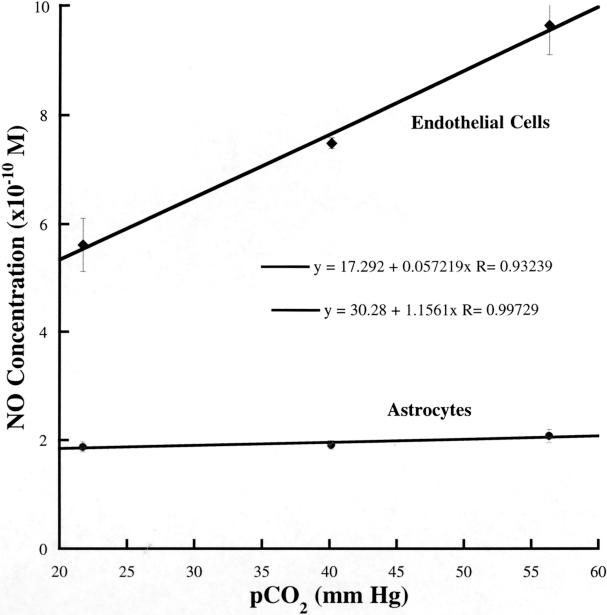
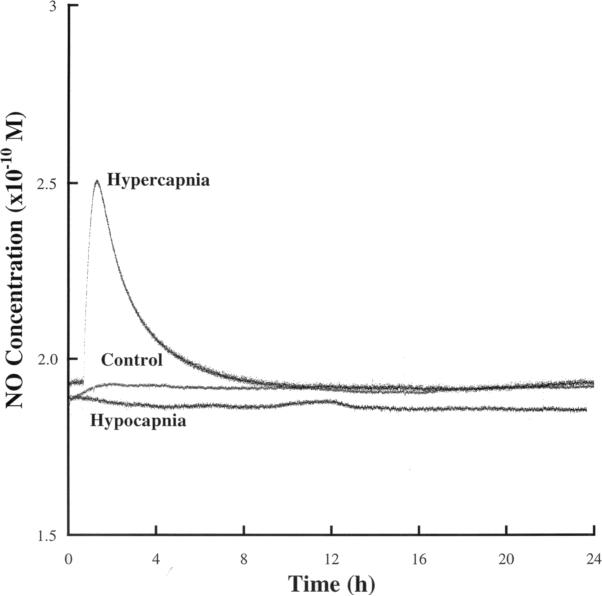
«NO levels in endothelial cells increased during hypercapnia by 36% in 8 hours and remained 25% above baseline. NO increase in astrocytes was 30% after 1 hour but returned to baseline at 8 hours. NLA blocked NO increase in endothelial cells under hypercapnia.»

«This study suggests that cerebral endothelial cells and astrocytes release NO under normocapnic conditions and NO production is increased during hypercapnia and decreased during hypocapnia independent of pH. Further, this demonstrates that endothelial cells may play a pivotal role in chemoregulation by modulating NOS activity.»

«Modulation of cerebral vascular tone in response to changes in the arterial partial pressure of carbon dioxide (pCO2) is defined as chemoregulation. In humans hypocapnia produces vasoconstriction resulting in decreased cerebral blood flow (CBF), whereas hypercapnia produces vasodilation and increased CBF (Lavi et al., 2003). »

«Using nitric oxide synthase (NOS) inhibitors, several in vivo studies have suggested that vasodilation in response to increased pCO2may be mediated by NO (Lavi et al., 2006). »

«Under hypercapnic conditions (pCO2 56.3±8.7 mmHg), NO concentration increased from baseline levels to a mean of 10±0.6×10⁻¹⁰M during the first 4 hours (Figure 1A). NO concentration peaked at 36% (10.2±0.5×10⁻¹⁰M) above baseline at 8 hours and stabilized 25% (9.4±0.5×10⁻¹⁰M) above baseline until completion of the experiment.»

«By plotting NO changes as a function of pCO2, we could disregard time as a variable in NO production (Figure 3) to establish that changes in NO levels correlate with changes in pCO2 (R=0.99).»

CO2 og NO

«Under hypercapnic conditions (pCO2 56.3±8.7 mmHg), human fetal astrocytes increased NO production by 30% over baseline values to a mean level of 2.5±1.2×10⁻¹⁰M in the first hour of hypercapnia (Figure 2). NO production then gradually decreased to control levels after 8 hours and remained at control levels for the remainder of the experiments.»

CO2 og NO i astrocytt

«The pH values were kept stable within a neutral gap under normocapnic (7.39±0.01), hypercapnic (7.36±0.02) and hypocapnic (7.40±0.01) conditions.»

» Stimulation of NOS in the endothelial cells is consistent with the NO-dependent vasodilation and increased CBF that occur in vivo during hypercapnia, as has been shown in rats (Iadecola, 1992) and in primates (Thompson et al., 1996). Decreased NO production by endothelial cells also correlates with the in vivo vasoconstrictive response to hypocapnia shown previously (Lavi et al., 2003;Thompson et al., 1996).»

«Thus, it is unlikely that eNOS is responsible for the early or fast phase response during chemoregulation in vivo. There are several explanations for this phenomenon. First, nitrite (NO2), being a storage pool of NO, can be reduced to NO under acidic and hypoxic conditions in vivo (Cosby et al., 2003). Under these conditions nitrite releases NO in the presence of deoxygenated hemoglobin in blood (Cosby et al., 2003;Nagababu et al., 2003) or neuroglobin (Burmester et al., 2000) in neurons acting as a nitrite reductase (Petersen et al., 2008). »

«The chemoregulatory response to CO2 changes in vivo is rapid, occurring on the order of milliseconds; our results did not demonstrate this component of the chemoregulatory response.»

«Cerebrovascular reactivity in response to CO2 is impaired in diabetic or hypertensive patients with endothelial dysfunction (Lavi et al., 2006), suggesting an important role for endothelial cells in modulating CBF response to CO2. »

«It has been reported that the ATP-sensitive K+ channels play a pivotal role in microvessel vasodilation of the cerebral cortex in response to decreased pH corresponding to mild hypercapnia and that a NOS inhibitor could not alter this vasodilation (Nakahata et al., 2003).»

Ukjent sin avatar

The exercise-induced growth hormone response in athletes.

Studie som gir oversikt over mange faktorer rundt veksthormonøkning i trening.

http://www.ncbi.nlm.nih.gov/pubmed/12797841

«A number of physiological stimuli can initiate hGH secretion, the most powerful, non-pharmacological of which are sleep and exercise. »

«The exercise-induced growth hormone response (EIGR) is well recognised and although the exact mechanisms remain elusive, a number of candidates have been implicated. These include neural input, direct stimulation by catecholamines, lactate and or nitric oxide, and changes in acid-base balance. Of these, the best candidates appear to be afferent stimulation, nitric oxide and lactate. Resistance training results in a significant EIGR.»

«An exercise intensity above lactate threshold and for a minimum of 10 minutes appears to elicit the greatest stimulus to the secretion of hGH. Exercise training above the lactate threshold may amplify the pulsatile release of hGH at rest, increasing 24-hour hGH secretion.»

«In a great many cases, the impact of some of the deleterious effects of ageing could be reduced if exercise focused on promoting the EIGR. «

Ukjent sin avatar

Elevated lactate during psychogenic hyperventilation

Om CO2 relatert til melkesyre. Denne er ifh panikkangst, men gjelder også ifh trening og hva som helst av aktivitet eller sykdom hvor melkesyre er et element å ta hensyn til.

http://emj.bmj.com/content/28/4/269.long

«Whereas high lactates are usually associated with acidosis and an increased risk of poor outcome, in patients with psychogenic hyperventilation, high lactates are associated with hypocapnia and alkalosis.»

«However, provoked hyperventilation, a less life-threatening condition, has been shown to result in elevated lactate levels as well. Passive overbreathing under anaesthesia has been shown to induce hyperlactataemia in various studies.9 10 Furthermore, active voluntary overbreathing in individuals with panic disorders has been related to the development of a marked hyperlactataemia as well.11 12»

«As expected, median Pco2 (4.3 (2.0–5.5)) was below the lower reference value of 4.6 kPa, and median pH was slightly increased (7.47 (7.40–7.68)). Po2 and saturation were normal in all the patients without supplementary oxygen (table 1). Fourteen participants had a lactate level above the reference value of 1.5 mmol/l, of which 11 were still hyperventilating at the moment of drawing their blood, as reflected by the Pco2 values <4.6 kPa. The participants who were still actively hyperventilating had a higher median pH of 7.50 (7.42–7.68) versus 7.44 (7.40–7.49) (p<0.01) and a higher median lactate level of 1.4 (0.7–4.4) versus 0.9 (0.5–3.5) (p<0.01) compared with the participants diagnosed as having psychogenic hyperventilation who had ceased to actively hyperventilate at the moment of drawing their blood. In line with the higher pH in this group, bicarbonate and potassium concentrations were lower (table 1).»

«In univariate correlation analysis, there was a significant positive correlation of plasma lactate with both Po2 and pH, whereas significant inverse relations were found for potassium and bicarbonate (table 2). Most interestingly, a significant negative correlation was found between Pco2 and arterial lactate (r=−0.50, p<0.001; figure 2). This negative correlation was specifically present in patients with hypocapnia (ie, Pco2 <4.6 kPa): in these patients, there was a moderate significant negative correlation between Pco2 and plasma lactate levels (r=−0.53, p<0.003), whereas this correlation was not seen in normocapnic participants (r=−0.17, NS).»

«Scatter plot of the relation of Pco2 with lactate for patients diagnosed as having psychogenic hyperventilation (n=46). Depicted are the regression line in bold (r2=0.25, p<0.001), with estimated 95% CIs. The vertical dashed line denotes the lower reference value of arterial Pco2; and the horizontal line, the upper reference value of lactate.»

«In our study, we showed that lactate levels are elevated in 30% of the participants with psychogenic hyperventilation who present at the ED. Furthermore, we demonstrate that under these circumstances, Pco2 is the most important predictor of arterial lactate levels and that in this context, an elevated lactate level should not be regarded as an adverse sign.»

«The reported 0.5% incidence of hyperventilation in our study population seems to be low compared with that in previous studies, reporting incidences of 6%–11%.14» «We suppose that the relatively low incidence in our study population could be related to a substantial amount of patients with psychogenic hyperventilation who are not referred to the hospital at all by their general practitioner.»

«Our present study is the first to describe the presence of hyperventilation-related hyperlactataemia in an otherwise healthy patient population presenting in the ED in an observational setting.»

«Pco2 being the strongest lactate predictor of the two, as changes in pH during hyperventilation are modulated by changes in breathing rate (and thus Pco2). Our findings are in line with those of previous studies, which showed that intracellular hypocapnia and alkalosis contribute directly to both an increased lactate production and a reduced lactate clearance.18–21»

«However, it should be noted that in patients with critical illnesses, lactate is a risk marker not a risk mediator22: several studies have shown that the administration of exogenous lactate is safe or even beneficial.23 Lactate can be reused directly as a substrate to generate adenosine triphosphate by many organs, including the heart, the brain and the kidneys.24 25»

TABLE 1

Total Pco2≥4.6 Pco2<4.6
n 46 17 29
Sex (% male) 46 41 48
Age (years) 30 (18–77) 26 (18–66) 35 (18–77)
Respiratory rate at triage 25 (20–35) 24 (20–30) 25 (20–35)
Pco2 (kPa) 4.3 (2.0–5.5) 4.9 (4.7–5.5) 3.9 (92.0–4.5)
Lactate level (mmol/l) 1.2 (0.5–4.4) 0.9 (0.5–3.5) 1.4 (0.7–4.4)*
Lactate level >1.5 mmol/l (n) 14 3 11
Base excess 1.4 (−3.2–4.8) 2.1 (−2.7–4.3) 0.6 (−3.2–4.8)*
Potassium (mmol/l) 3.5 (2.8–4.2) 3.8 (3.3–4.0) 3.4 (2.8–4.2)*
HCO3 (mmol/l) 23 (17–27) 26 (21–27) 22 (17–25)
pH 7.47 (7.40–7.68) 7.44 (7.40–7.49) 7.50 (7.42–7.68)
Po2 (kPa) 13.3 (9.3–17.9) 12.9 (10.3–15.6) 13.8 (9.3–17.9)*
Saturation (%) 98 (97–99) 98 (97–99) 98 (97–99)
  • Clinical and biochemical characteristics of the 46 patients as indicated in figure 1 and after stratification for the presence of hypocapnia (Pco2 <4.6). The data are presented as median (range). Statistical comparisons between the normocapnic and hypocapnic subgroups were made by the χ2 test for dichotomous variables and for continuous variables by Mann–Whitney U test.

  • * p<0.05 compared with normocapnic participants.

  • † p<0.001 compared with normocapnic participants.

Ukjent sin avatar

Basilar Artery Response to Hyperventilation in Panic Disorder

Nevner hvordan hyperventilering fjerner CO2 og gjør at blodkar trekker seg sammen. Nevner spesielt basilary artery inni hjernen.

http://ajp.psychiatryonline.org/data/journals/ajp/3682/1603.pdf

«Gibbs (2) reported that nine panic disorder patients in a neurology clinic experienced a significantly greater decrease in basilar artery blood flow during voluntary hyperventilation (mean decrease, 62%) than did nine normal comparison subjects (mean decrease, 36%). However, no respiratory measures were assessed dur- ing hyperventilation, and this omission is important, since changes in carbon dioxide levels are critical in regulating cerebral arterial flow (3).»

«For mean blood flow, the panic patients had a 55% reduction (mean change=–21.1 cm/sec, SD=7.1), which was sig- nificantly greater than the 42% reduction for the com- parison group (mean change=–15.8 cm/sec, SD=5.4)»

«The increases in the dizziness ratings were associated with the percent- ages of the decreases in both peak flow (r=–0.60, N=24, p<0.01) and mean flow (r=–0.57, N=24, p<0.01).»

«The pCO2 level of the panic disorder patients decreased 33% during hyperventilation (pCO2 level dur- ing hyperventilation: mean=24.80 mm Hg, SD=7.29), which did not differ significantly from the 37% decrease for the comparison subjects (pCO2 during hyperventila- tion: mean=24.55 mm Hg, SD=3.09) (t=–0.14, df=7, n.s.).»

«The ratio of blood flow changes to pCO2 changes is approximately 1.0 in normative studies (4), which is consistent with the values for our comparison group. The patients with panic disorder had a ratio of blood flow change to pCO2 change that was almost twice that of the normal subjects. This suggests that the sensitivity of the basilar artery in patients with anxiety disorders may not be due solely to changes in respiratory physiology.»

Ukjent sin avatar

INCREASED INTERSTITIAL CONCENTRATIONS OF PYRUVATE AND LACTATE IN THE TRAPEZIUS MUSCLE OF PATIENTS WITH FIBROMYALGIA: A MICRODIALYSIS STUDY

Om at fibromyalgi innebærer høyere grad av melkesyre i musklene, og at dette er en av bidragene til den kroniske smerten.

http://www.medicaljournals.se/jrm/content/?doi=10.2340/16501977-0581&html=1

«There was a significant group effect (p = 0.039) with higher interstitial lactate concentrations in FMS compared with CON (Fig. 2a).»

«There was a highly significant difference in interstitial concentration of pyruvate (p < 0.001) between the 2 groups; the concentrations were higher among the FMS patients (Fig. 2b).»

«One possible explanation for the higher [pyruvate] in FMS of the present study is changes in the lactate-pyruvate metabolism via lactate dehydrogenase isoforms (18). Another alternative is that a reduction in tissue oxygenation in FMS (8) may result in higher [pyruvate] due to a shift towards an anaerobic state. Such a circumstance might also cause the significantly higher [lactate].»

«The aerobic capacity of the muscle is largely governed by the number of mitochondria and their enzymes (20). Lindh et al. reported lower capillary density and enzymes associated with aerobic metabolism in FMS (21); however, it is unknown if a general deconditioning in FMS involves the postural trapezius. The mitochondrial density increases as result of exercise (see (22) for references) and affects the level of metabolites (i.e. enhanced aerobic capacity).»

«Lactate is also involved in peripheral nociception, and it appears to facilitate the response of acid-sensing ion channel 3 (ASIC-3) to low pH (26). Such ASIC channels are considered as molecular transducers for nociception and mechanosensation (26).»

«It has been reported that FMS has abnormal cardiovascular responses to low-grade mental stress (35). Several studies indicate altered sympathetic activation in FMS (36–39), which in turn may affect [lactate] (40). Sympathetic activation may also cause decreased blood flow even without hypoxia (26, 41).»

Ukjent sin avatar

Physiological mechanisms dissociating pulmonary CO2 and O2 exchange dynamics during exercise in humans

Beskriver hvordan forholdet mellom CO2 og O2 endrer seg unde trening, og spesielt over melkesyreterskel hvor bikarbonat også begynner å spille inn i homeosasen av pH i blod.

http://ep.physoc.org/content/92/2/347.long

«During incremental exercise, the increased rate of Graphic relative to pulmonary O2 uptake (Graphic) can be used to quantify θL validly if aerobic and hyperventilatory sources can be ruled out, i.e. θL is then attributable to the decrease in muscle and blood [HCO3]. In many cases, however, very rapid incrementation of work rate and/or prior depletion of CO2 stores (by volitional or anticipatory hyperventilation) can yield a ‘false positive’ non-invasive estimation of θL(‘pseudo-threshold’) resulting from a slowing of the rate of wash-in of transient CO2stores.»

«Since the tissue capacitance for CO2 is appreciably greater than for O2 (Farhi & Rahn, 1955), this means that the respiratory exchange ratio (R), i.e. the ratio of the volumes of CO2and O2 exchanged across the tissue of interest per unit time, will differ from that of the respiratory quotient (RQ), i.e. the ratio of the amounts of metabolic CO2 and O2 produced and consumed, respectively, by the tissue per unit time not only across the lung, where it is most typically determined and from which inferences are most typically drawn, but also across the muscle vascular bed itself. »

«But, in addition, skeletal muscle contraction results in a transient metabolic alkalosis in the force-generating units (Steinhagen et al. 1976; Kemp, 2005) and in the venous effluent of the exercising muscle (Wasserman et al. 1997) as a result of the net proton (H+) trapping associated with the high-energy phosphate utilization, i.e. H+ release as ATP is split, and H+ uptake consequent to phosphocreatine (PCr) splitting (Kushmerick, 1997).»

«This transient alkalosis therefore results in a component of the metabolically produced CO2 being retained within the muscle.»