Ukjent sin avatar

Neurogenic neuroinflammation: inflammatory CNS reactions in response to neuronal activity

Omfattende gjennomgang om hvordan nevrogene betennelser fungerer fysiologisk. Nevner at betennelser ikke er problemet, men en funksjon kroppen benytter seg av for å håndtere problemer som giftstoffer og metabolsk problemer. Derfor nytter det ikke å dempe betennelsen. Man MÅ fjerne årsaken til betennelsen…

http://www.ncbi.nlm.nih.gov/pubmed/24281245

http://www.nature.com/nrn/journal/vaop/ncurrent/full/nrn3617.html

The CNS is endowed with an elaborated response repertoire termed ‘neuroinflammation’, which enables it to cope with pathogens, toxins, traumata and degeneration. On the basis of recent publications, we deduce that orchestrated actions of immune cells, vascular cells and neurons that constitute neuroinflammation are not only provoked by pathological conditions but can also be induced by increased neuronal activity. We suggest that the technical term ‘neurogenic neuroinflammation’ should be used for inflammatory reactions in the CNS in response to neuronal activity. We believe that neurogenic neuro-inflammation maintains homeostasis to enable the CNS to cope with enhanced metabolic demands and increases the computational power and plasticity of CNS neuronal networks. However, neurogenic neuroinflammation may also become maladaptive and aggravate the outcomes of pain, stress and epilepsy.

Ukjent sin avatar

Carbon dioxide and the critically ill—too little of a good thing?

Omfattende studie av alle de gode egenskapene ved hyperkapni – høyt CO2 nivå. Nevner mange interessante ting, bl.a. at CO2 indusert acidose gir mye mindre fire radikaler enn om pH senkes av andre faktorer. Bekrefter også at oksygen blir sittende fast på blodcellene ved hypokapni, og at melkesyreproduksjonen begrensens når acidosen er pga CO2 men ikke når den er av andre faktorer.

Spesielt med denne artikkelen er at den beskriver forskjellene på en hyperkapni acidose og acidose av andre faktorer. Hyperkapnisk acidose har beskyttende egenskaper.
http://www.thelancet.com/journals/lancet/article/PIIS0140-6736(99)02388-0/fulltext

Permissive hypercapnia (acceptance of raised concentrations of carbon dioxide in mechanically ventilated patients) may be associated with increased survival as a result of less ventilator-associated lung injury.
Accumulating clinical and basic scientific evidence points to an active role for carbon dioxide in organ injury, in which raised concentrations of carbon dioxide are protective, and low concentrations are injurious.
Although hypercapnic acidosis may indicate tissue dysoxia and predict adverse outcome, it is not necessarily harmful per se. In fact, it may be beneficial. There is increasing evidence that respiratory (and metabolic) acidosis can exert protective effects on tissue injury, and furthermore, that hypocapnia may be deleterious.
If hypoventilation is allowed in an effort to limit lung stretch, carbon dioxide tension increases. Such “permissive hypercapnia” may be associated with increased survival in acute respiratory distress syndrome (ARDS);2 this association is supported by outcome data from a 10-year study.3
Furthermore, hypocapnia shifts the oxyhaemoglobin dissociation curve leftwards, restricting oxygen off-loading at the tissue level; local oxygen delivery may be further impaired by hypocapnia-induced vasoconstriction.
Brain homogenates develop far fewer free radicals and less lipid peroxidation when pH is lowered by carbon dioxide than when it is lowered by hydrochloric acid.19
Finally, greater inhibition of tissue lactate production occurs when lowered pH is due to carbon dioxide than when it is due to hydrochloric acid.20
An association between hypoventilation, hypercapnia, and improved outcome has been established in human beings.2521 In lambs, ischaemic myocardium recovers better in the presence of hypercapnic acidosis than metabolic acidosis.22 Hypercapnic acidosis has also been shown to protect ferret hearts against ischaemia,23 rat brain against ischaemic stroke,16 and rabbit lung against ischaemia-reperfusion injury.24 Hypercapnia attenuates oxygen-induced retinal vascularisation,25 and improves retinal cellular oxygenation in rats.26 “pH-stat” management of blood gases during cardiopulmonary bypass, involving administration of large amounts of additional carbon dioxide for maintenance of temperature-corrected PaCO2, results in better neurological and cardiac outcome.27
Hypercapnia results in a complex interaction between altered cardiac output, hypoxic pulmonary vasoconstriction, and intrapulmonary shunt, with a net increase in PaO2 (figure).28 Because hypercapnia increases cardiac output, oxygen delivery is increased throughout the body.28 Regional, including mesenteric, blood flow is also increased,29 thereby increasing oxygen delivery to organs. Because hypercapnia (and acidosis) shifts the haemoglobin-oxygen dissociation curve rightwards, and may increase packed-cell volume,30 oxygen delivery to tissues is further increased. Acidosis may reduce cellular respiration and oxygen consumption,31 which may further benefit an imbalance between supply and demand, in addition to greater oxygen delivery. One hypothesis32 is that acidosis protects against continued production of further organic acids (by a negative feedback loop) in tissues, providing a mechanism of cellular metabolic shutdown at times of nutrient shortage—eg, ischaemia.
Acidosis attenuates the following inflammatory processes (figure): leucocyte superoxide formation,33 neuronal apoptosis,34phospholipase A2 activity,35 expression of cell adhesion molecules,36 and neutrophil Na+/H+ exchange.37 In addition, xanthine oxidase (which has a key role in reperfusion injury) is inhibited by hypercapnic acidosis.24 Furthermore, hypercapnia upregulates pulmonary nitric oxide38 and neuronal cyclic nucleotide production,39 both of which are protective in organ injury. Oxygen-derived free radicals are central to the pathogenesis of many types of acute lung injury, and in tissue homogenates, hypercapnia attenuates production of free radicals and decreases lipid peroxidation.19 Thus, during inflammatory responses, hypercapnia or acidosis may tilt the balance towards cell salvage at the tissue level.
However, we know from several case series that human beings, and animals, can tolerate exceptionally high concentrations of carbon dioxide, and when adequately ventilated, can recover rapidly and completely. Therefore, high concentrations (if tolerated) may not necessarily cause harm.
From the published studies reviewed, and from the pathological mechanisms assessed, we postulate that changes in carbon dioxide concentration might affect acute inflammation,33—36 tissue ischaemia,16 ischaemia-reperfusion,2024 and other metabolic,1221,32 or developmental14 processes.
We argue that the recent shift in thinking about hypercapnia must now be extended to therapeutic use of carbon dioxide. Our understanding of the biology of disorders in which hypocapnia is a cardinal element would require fundamental reappraisal if hypocapnia is shown to be independently harmful.
In summary, in critically ill patients, future therapeutic goals involving PaCO2 might be expressed as:“keep the PaCO2 high; if necessary, make it high; and above all, prevent it from being low”.
Ukjent sin avatar

Stress and the inflammatory response: a review of neurogenic inflammation.

Betennelser kan både skapes og opprettholdes av nervesystemet.

Det er velkjent av betennelser økes av stresshormonet kortisol når vi stresser fordi kortisol senker immunfunksjon og dermed øker betennelsestilstander.

Men denne studien beskriver hvordan stress øker nevrogen betennelse (betennelse i nervesystemet), som kan forklare årsaken til at alt som vanligvis bare er litt ukomfortabelt blåses opp og blir vondere når vi er i langvarig stress.

Man tenker vanligvis på sansenerver som noe som sender signaler fra kroppen, gjennom ryggraden og opp til hjernen. Men molekyler kan faktisk gå andre veien i nervetrådene også. Fra ryggraden og UT i kroppen. Når vi stresser sender nervecellene ut et stoff som kalles Substans P, sammen med andre betennelsesøkende stoffer. Der hvor nervetrådene ender (i ledd, i huden eller i organer) blir det en lokal betennelsesreaksjon som bidrar til smerte. Substans P er spesielt assosisert med smertetilstander.

Forskeren konkluderer også med at dette er en viktig årsak til hvordan kronisk stress kan bidra til kroniske betennelsessykdommer som arterosklreose i blodårene eller betennelser i organene.

Beste måten å roe ned et stresset nervesystem er meditasjon med Autonom pust (5-6 pust i minuttet).

http://www.ncbi.nlm.nih.gov/pubmed/12480495

The subject of neuroinflammation is reviewed. In response to psychological stress or certain physical stressors, an inflammatory process may occur by release of neuropeptides, especially Substance P (SP), or other inflammatory mediators, from sensory nerves and the activation of mast cells or other inflammatory cells.

Central neuropeptides, particularly corticosteroid releasing factor (CRF), and perhaps SP as well, initiate a systemic stress response by activation of neuroendocrinological pathways such as the sympathetic nervous system, hypothalamic pituitary axis, and the renin angiotensin system, with the release of the stress hormones (i.e., catecholamines, corticosteroids, growth hormone, glucagons, and renin). These, together with cytokines induced by stress, initiate the acute phase response (APR) and the induction of acute phase proteins, essential mediators of inflammation. Central nervous system norepinephrine may also induce the APR perhaps by macrophage activation and cytokine release. The increase in lipids with stress may also be a factor in macrophage activation, as may lipopolysaccharide which, I postulate, induces cytokines from hepatic Kupffer cells, subsequent to an enhanced absorption from the gastrointestinal tract during psychologic stress.

The brain may initiate or inhibit the inflammatory process.

The inflammatory response is contained within the psychological stress response which evolved later. Moreover, the same neuropeptides (i.e., CRF and possibly SP as well) mediate both stress and inflammation.

Cytokines evoked by either a stress or inflammatory response may utilize similar somatosensory pathways to signal the brain. Other instances whereby stress may induce inflammatory changes are reviewed.

I postulate that repeated episodes of acute or chronic psychogenic stress may produce chronic inflammatory changes which may result in atherosclerosis in the arteries or chronic inflammatory changes in other organs as well.

Ukjent sin avatar

How to make stress your friend

Spennende perspektiv på stress. Nevner at de som trodde at stress var farlig, hadde større sjanse for å dø av det. De som trodde stress ikke var farlig, hadde samme dødelighet som alle andre. Å vite hva stress er kan redde liv. Så neste gang du opplever stress, vit at «dette er kroppen min som hjelper meg å løfte energien til det nivået jeg trenger for å løse problemet», som hun sier i foredaget. Men gi også kroppen mulighet til å ta seg ned noen nivåer igjen når stresset er ferdig.

Ukjent sin avatar

A new view on hypocortisolism

Om lavt kortisol-nivå og at det har en beskyttende effekt på kroppen etter langvarig høyt kortisol-nivå. En ny måte å se det på. Det er faktisk en overlevelsesmekanisme. Hvis vi ikke greier å skru av stresset eller fjerne oss fra den stressende livssituasjonen, vil kroppen etter hvert skru av stressresponsen og vi blir oversensitive for enhver utfordring. Utmattelse, muskelsmerter og fibromyalgi blir resultatet. Men likevel er det bedre for organismen enn videre stressresons. Studien forteller hvordan kortisol påvirker sentralnervesystemet, immunsystemet, oppvåkningsresponsen om morgenen, sickness responce, allostatic load, m.m.

http://cfids-cab.org/cfs-inform/Hypotheses/fries.etal05.pdf

Low cortisol levels have been observed in patients with different stress-related disorders such as chronic fatigue syndrome, fibromyalgia, and post- traumatic stress disorder. Data suggest that these disorders are characterized by a symptom triad of enhanced stress sensitivity, pain, and fatigue.

We propose that the phenomenon of hypocortisolism may occur after a prolonged period of hyperactivity of the hypothalamic–pituitary– adrenal axis due to chronic stress as illustrated in an animal model. Further evidence suggests that despite symptoms such as pain, fatigue and high stress sensitivity, hypocortisolism may also have beneficial effects on the organism. This assumption will be underlined by some studies suggesting protective effects of hypocortisolism for the individual.

Since the work of Selye (1936), stress has been associated with an activation of the hypothalamic– pituitary–adrenal (HPA) axis resulting in an increased release of cortisol from the adrenal glands. In recent years, a phenomenon has been described that is characterized by a hyporespon- siveness on different levels of the HPA axis in a number of stress-related states. This phenomenon, termed ‘hypocortisolism’, has been reported in about 20–25% of patients with stress-related dis- orders such as chronic fatigue syndrome (CFS), chronic pelvic pain (CPP), fibromyalgia (FMS), post-traumatic stress disorder (PTSD), irritable bowel syndrome (IBS), low back pain (LBP), burn- out, and atypical depression (Griep et al., 1998; Heim et al., 1998, 2000; Pruessner et al., 1999; Gold and Chrousos, 2002; Gur et al., 2004; Roberts et al., 2004; Rohleder et al., 2004). When hypo- cortisolemic, all these disorders may share affiliated syndromes characterized by a triad of enhanced stress sensitivity, pain, and fatigue.

However, despite different definitions we know today that there is a considerable overlap between the disorders.

In the early 1990s, Hudson and colleagues were amongst the first addressing this issue. They published a study on the comorbidity of FMS with medical and psychiatric disorders in which they reported a higher prevalence of migraine, IBS, and CFS, as well as higher lifetime rates of depression and panic disorder in patients with FMS (Hudson et al., 1992).

Thus, numerous studies on male war veterans have reported an association between PTSD and symp- toms such as fatigue, joint pain, and muscle pain (Engel et al., 2000; Ford et al., 2001).

These alterations of HPA axis are determined by (1) a reduced biosynthesis or release of the respective releasing factor/hormone on different levels of the HPA axis (CRF/AVP from the hypothalamus, ACTH from the pituitary, or cortisol from the adrenal glands) accompanied by a subsequent decreased stimulation of the respective target receptors, (2) a hypersecretion of one secretagogue with a subsequent down-regulation of the respective target receptors, (3) an enhanced sensitivity to the negative feedback of glucocorti- coids, (4) a decreased availability of free cortisol, and/ or (5) reduced effects of cortisol on the target tissue, describing a relative cortisol resistance (Heim et al., 2000; Raison and Miller, 2003).

Several years ago we postulated that hypocortiso- lism/a hyporeactive HPA axis might develop after prolonged periods of stress together with a hyper- activity of the HPA axis and excessive glucocorti- coid release (Hellhammer and Wade, 1993). This proposed time course with changes in HPA axis activity from hyper- to hypocortisolism resembles the history of patients with stress-related disorders who frequently report about the onset of ‘hypo- cortisolemic symptoms’ (fatigue, pain, stress sen- sitivity) after prolonged periods of stress, e.g. work stress, infection, or social stress (Buskila et al., 1998; Van Houdenhove and Egle, 2004)

Thinking about the potential cause/reason for changes in HPA axis activity from hyper- to hypocortisolism one might consider the body’s self-adjusting abilities as an important factor. Self-adjusting abilities play a significant role in survival of the organism by counteracting the enduring increased levels of glucocorticoids, and protecting the organism against the possible dele- terious effects thereof.

Poten- tial mechanisms of the ‘HPA axis adjustment’ are (1) the down-regulation of specific receptors on different levels of the axis (hypothalamus, pitu- itary, adrenals, target cells), (2) reduced biosyn- thesis or depletion at several levels of the HPA axis (CRF, ACTH, cortisol) and/or (3) increased negative feedback sensitivity to glucocorticoids (Hellhammer and Wade, 1993; Heim et al., 2000).

The suppressed stress response after administration of dexamethasone demonstrates an increased sensi- tivity to glucocorticoid negative feedback on the level of the pituitary.

The duration, intensity, number and chronicity of stressors may further pronounce these effects. The low-dose dexamethasone test may be the most sensitive measure of this condition.

The HPA axis plays an important role in the regulation of the SNS. CRF seems to increase the spontaneous discharge rate of locus coeruleus (LC) neurons and enhances norepinephrine (NE) release in the prefrontal cortex (Valentino, 1988; Valentino et al., 1993; Smagin et al., 1995), whereas glucocorticoids seem to exert more inhibitory effects on NE release.

Glucocorticoids are the most potent anti-inflam- matory hormones in the body. They act on the immune system by both suppressing and stimulating pro- and anti-inflammatory mediators. While they promote Th2 development, for example by enhan- cing interleukin (IL)-4 and (IL)-10 secretion by macrophages and Th2 cells (Ramierz et al., 1996), they inhibit inflammatory responses and suppress the production and release of pro-inflammatory cytokines such as tumor necrosis factor alpha (TNF- alpha), IL-1 and IL-6 (see Franchimont et al., 2003).

An important role of glucocorticoids during stress is to suppress the production and activity of pro- inflammatory cytokines, thus restraining the inflammatory reaction and preventing tissue destruction (see McEwen et al., 1997; Ruzek et al., 1999; Franchimont et al., 2003).

Therefore, a hypocortisolemic stress response, as observed in patients with stress-related disorders, may result in an overactivity of the immune system in terms of increased inflammatory responses due to impaired suppressive effects of low cortisol levels (see Heim et al., 2000; Rohleder et al., 2004). This assumption is supported by studies reporting elevated levels of pro-inflammatory cytokines in patients with stress-related disorders such as PTSD, CFS, and FMS (Maes et al., 1999; Patarca-Montero et al., 2001; Thompson and Barkhuizen, 2003; Rohleder et al., 2004).

Assessing the cortisol awakening response in pregnant women, preliminary results from our laboratory suggest that women with higher daily stress load showed lower cortisol levels in the morning compared to women with normal to low daily stress load. This result suggests a possible prevention of harmful stimulatory effects of maternal cortisol on placental CRF, which plays a major role in the initiation of delivery (Rieger, 2005).

The term ‘sickness response’ refers to non-specific symptoms such as fatigue, increased pain sensi- tivity, depressed activity, concentration difficul- ties, and anorexia that accompany the response to infection (Hart, 1988; Maier and Watkins, 1998). Sickness behavior at the behavioral level appears to be the expression of a central motivational state that reorganizes the organism’s priority to cope with infectious pathogens (Hart, 1988).

Further evidence for the protective effects of the development of a hypocortisolism refers to the allostatic load index. The term ‘allostatic load’ was irstly introduced by McEwen and Stellar (1993) describing the wear and tear of the body and brain resulting from chronic overactivity or inactivity of physiological systems that are normally involved in adaptation to environmental challenge. Allostatic load results when the allostatic systems (e.g. the HPA axis) are either overworked or fail to shut off after the stressful event is over or when these systems fail to respond adequately to the initial challenge, leading other systems to overreact (McEwen, 1998). In this context, results of Hell- hammer et al. (2004) demonstrate a significantly higher allostatic load index in older compared to younger subjects with the exception of hypocorti- solemic elderly who had a comparable allostatic load to young people even though they scored far higher on perceived stress scales. Considering the fact that allostatic load has been associated with a higher risk for mortality, these data suggest that a hypocortisolemic response to stress may rather be protective than damaging.

Low cortisol levels in the case of pregnant women may protect the mother and the child against the risk of pre-term birth, which could be harmful for both of them. Similarly, low cortisol levels in those individuals who are repeatedly or continuously exposed to intense immune stimuli may be beneficial for health and survival.

Similarly, low cortisol levels in those individuals who are repeatedly or continuously exposed to intense immune stimuli may be beneficial for health and survival. Most strikingly, the demonstration of a low allostatic load index in hypocortisolemic subjects suggests that a down-regulation of the HPA axis in chroni- cally stressed subjects protects those subjects against the harmful effects of a high allostatic load index.

Ukjent sin avatar

Melatonin as an antioxidant: biochemical mechanisms and pathophysiological implications in humans

Viktig studie som nevner alt om hvordan melatonin virker som en antioksidant. Hele studien er her, men den er ikke gjennomgått enda.

http://www.actabp.pl/pdf/4_2003/1129s.pdf

Melatonin’s functions as an antioxidant include: a), direct free radical scavenging, b), stimulation of antioxidative enzymes, c), increasing the efficiency of mitochon- drial oxidative phosphorylation and reducing electron leakage (thereby lowering free radical generation), and 3), augmenting the efficiency of other antioxidants.

Ukjent sin avatar

Melatonin induces γ- glutamylcysteine syn thetase mediated by activator protein-1 in human vascular en dothelial cells

Det første bildet viser hvordan melatonin dobler glutathion konsentrasjon. Dette er interessant med tanke på at diafragmiske pust øker melatonin. Melatonin hemmer enzymet som bryter ned glutathion, derfor økes konsentrasjonen.

http://www.sciencedirect.com/science/article/pii/S0891584999001318

In the present study, we show that melatonin induces the expression of γ-glutamylcysteine synthetase (γ-GCS), the rate-limiting enzyme of glutathione (GSH) synthesis, in ECV304 human vascular endothelial cells.

As conclusion, induction of GSH synthesis by melatonin protects cells against oxidative stress and regulates cell proliferation.

Ukjent sin avatar

Diaphragmatic Breathing Reduces Exercise-Induced Oxidative Stress

Om hvordan diafragmisk pust (med magen) øker antioksidantbeskyttelsen og restitusjonen ved å senke kortison og øke melatonin. Gjort på et 24t sykkerlritt hvor de som gjorde 1t pusteing før de sovnet fikk raskere restitusjon. Nevner direkte sammenheng mellom kortisol og melatonin. Og påstår at pusten bør implementeres i ethvert treningsregime som restitusjon.

http://www.ncbi.nlm.nih.gov/pmc/articles/PMC3139518/

Analysis of oxidative stress levels in people who meditate indicated that meditation correlates with lower oxidative stress levels, lower cortisol levels and higher melatonin levels. It is known that cortisol inhibits enzymes responsible for the antioxidant activity of cells and that melatonin is a strong antioxidant

Results demonstrate that relaxation induced by diaphragmatic breathing increases the antioxidant defense status in athletes after exhaustive exercise. These effects correlate with the concomitant decrease in cortisol and the increase in melatonin. The consequence is a lower level of oxidative stress, which suggests that an appropriate diaphragmatic breathing could protect athletes from long-term adverse effects of free radicals.

Stress is defined as a physiological reaction to undesired emotional or physical situations. Initially, stress induces an acute response (fight or flight) that is mediated by catecholamines. When stress becomes chronic and lasts for a long time, the stressed organism reacts with physiological alterations to adapt to the unfavorable conditions. This ACTH-mediated reaction affects the immune and neuroendocrine systems, and it is responsible for several diseases [1]. Numerous data support the hypothesis that the pathophysiology of chronic stress can be due, at least partially, to an increase in oxidative stress [24], which may also contributes to heart disease [5,6], rheumatoid arthritis [7,8], hypertension [9,10], Alzheimer’s disease [11,12], Parkinson’s disease [13], atherosclerosis [14] and, finally, aging [15].

High levels of glucocorticoids are known to decrease blood reduced glutathione (GSH) and erythrocyte superoxide dismutase (SOD) activity in rats [20]. Other enzymes are also involved, and NADPH oxidase, xanthine oxidase and uncoupled endothelial nitric oxide synthase are important sources of reactive oxygen species (ROS) in glucocorticoid-induced oxidative stress (see [9] for a review on this argument).

Hormonal reactions to stressors, in particular plasma cortisol levels, are lower in people who meditate than in people who do not [3136], suggesting that it is possible to modulate the neuroendocrine system through neurological pathways. Analysis of oxidative stress levels in people who meditate indicated that transcendental meditation, Zen meditation and Yoga correlate with lower oxidative stress levels [3743].

Melatonin could also be involved in the reduction of oxidative stress because increased levels of this hormone have been reported after meditation [4446]. This neurohormone is considered a strong antioxidant and is used as a treatment for aging. Melatonin in fact, increases several intracellular enzymatic antioxidant enzymes, such as SOD and glutathione peroxidase (GSH-Px) [47,48], and induces the activity of γ-glutamylcysteine synthetase, thereby stimulating the production of the intracellular antioxidant GSH (49]. A number of studies have shown that melatonin is significantly better than the classic antioxidants in resisting free-radical-based molecular destruction. In these in vivostudies, melatonin was more effective than vitamin E, β-carotene [5052] and vitamin C [5355].

Although it has been established that a continuous and moderate physical activity reduces stress, intense and prolonged exercise is deleterious and needs a proper recovery procedure.

Plasma cortisol levels increase in response to intense and prolonged exercise [60,61]. Ponjee et al. [62] demonstrated that cortisol increased significantly in male athletes after they ran a marathon. In another study, plasma ACTH and cortisol were found elevated in highly trained runners and in sedentary subjects after intense treadmill exercise [63].

Most, if not all, meditation procedures involve diaphragmatic breathing (DB), which is the act of breathing deeply into the lungs by flexing the diaphragm rather than the rib cage. DB is relaxing and therapeutic, reduces stress and is a fundamental procedure of Pranayama Yoga, Zen, transcendental meditation and other meditation practices.

Athletes were monitored during a training session for a 24-h long contest. This type of race lasts for 24h, generally starting at 10:00am and ending at 10:00am the following day. Bikers ride as many kilometers as possible on a specific circuit trail in the 24-h period. Athletes are allowed to stop, to sleep, to rest and to eat as much food as they want to eat.

Subjects of the studied group were previously trained to relax by performing DB and concentrating on their breath. These athletes spent 1h (6:30–7:30pm) relaxing performing DB in a quiet place. The other eight subjects, representing the control group, spent the same time sitting in an equivalent quite place. The only activity allowed was reading magazines. Lighting levels were monitored throughout the experiment and did not exceed 15 lux, a level well below that known to influence melatonin secretion [73,74].

As expected, the exercise induced a strong oxidative stress in athletes (Figure 1).

BAP (Biological Antioxidant Potential) levels were determined at different times, before and after exercise. Athletes were divided in two equivalent groups of eight subjects. Subjects of the studied group spent 1h relaxing performing DB and concentrating on their breath in a quiet place. The other eight subjects, representing the control group, spent the same time sitting in an equivalent quite place. Since this test must be performed several hours after food ingestion, BAP levels were determined pre-exercise at 8:00am before breakfast, at 2:00am, and at 8:00am 24h post-exercise. Values shown are mean ± SD. *P < .05 DB versus control group. **P < .01 DB versus control group.

This study demonstrates that DB reduces the oxidative stress induced by exhaustive exercise. To our knowledge, this is the first study which explores the effect of DB on the stress caused by exhaustive physical activity.

The rationale is as follows (Figure 5)

  1. intense exercise increases cortisol production;
  2. a high plasmatic level of cortisol decreases body antioxidant defenses;
  3. a high plasmatic level of cortisol correlates with a high level of oxidative stress;
  4. DB reduces the production of cortisol;
  5. DB increases melatonin levels;
  6. melatonin is a strong antioxidant;
  7. DB increases the BAP and
  8. DB reduces oxidative stress.

If these results are confirmed in other intense physical activity programs, relaxation could be considered an effective practice to significantly contrast the free radical-mediated oxidative damage induced by intense exercise. Therefore, similar to the way that antioxidant supplementation has been integrated into athletic training programs, DB or other meditation techniques should be integrated into many sports as a method to improve performance and to accelerate recovery.

Hyperventilation, in fact, induces hyperoxia which is known to be related with oxidative stress [81,82]. The hyperventilation syndrome affects 15% of the population and occurs when breathing rates elevate to 21–23 bpm as a result of constricted non-DB. DB can treat hyperoxia and its consequences acting by two synergic ways: restoring the normal breath rhythm and reducing oxidative stress mainly through the increase in melatonin production which is known for its ability to reduce oxidative stress induced by exposure to hyperbaric hyperoxia [83].

Moreover, Orme-Johnson observed greatly reduced pathology levels in regular meditation practitioners [84,85]. A 5 years statistic of approximately 2000 regular participants demonstrated that Transcendental Meditation reduced benign and malignant tumors, heart disease, infectious diseases, mental disorders and diseases of the nervous system. Mourya et al. evidenced that slow-breathing exercises may influence autonomic functions reducing blood pressure in patients with essential hypertension [86]. Finally, there are also evidences that procedures which involve the control of the breathing can positively affect type 2 Diabetes [87], depression, pain [88], high glucose level and high cholesterol [89].

The role of melatonin must also be emphasized. Beyond its antioxidant properties, melatonin is involved in the regulation of the circadian sleep-wake rhythm and in the modulation of hormones and the immune system. Due to its wide medical implications, the increase in melatonin levels induced by DB suggests that this breath procedure deserves to be included in public health improvement programs.

DB increased the levels of melatonin in athletes, and this correlates with lower oxidative stress (ROMs), with lower cortisol levels and with the higher antioxidant status (BAP) in these athletes.

Tooley et al. [46] speculated that meditation-reduced hepatic blood flow [91] could raise the plasma levels of melatonin. Alternatively, since meditation increases plasma levels of noradrenaline [92] and urine levels of the metabolite 5HIAA [93], a possible direct action on the pineal gland could be hypothesized, as melatonin is synthesized in the pineal by serotonin under a noradrenaline stimulus [94]. More likely, we suspect that the increase in melatonin levels determined in our experiment can be mainly attributed to the reduced cortisol levels. Actually, a relationship between cortisol and melatonin rhythms has been observed [95], indicating that melatonin onset typically occurs during low cortisol secretion.

Overall, these data demonstrate that relaxation induced by DB increases the antioxidant defense status in athletes after exhaustive exercise. These effects correlate with the concomitant decrease in cortisol, which is known to negatively affect antioxidant defenses, and the increase in melatonin, a strong antioxidant. The consequence is a lower level of oxidative stress, which suggests that an appropriate recovery could protect athletes from long-term adverse effects of free radicals.

Ukjent sin avatar

Pain

Svært viktig studie med alt om smerte, fra Melzaks Body-Self Neuromatrix. Smerteforståelsens historie, fantomsmerter, hypersensitivitet, nervedegenerasjon, betennelser, Gate Control og Neuromatrix teori, m.m. Her forklares hvordan kroppsopplevelsen skapes i hjernen, selv uten noen input fra kroppen. Nevner også at smerte kan sette seg som et minne; somatic memory. Og vier mye plass til hvordan stress og kortisol bidrar til kroniske smerter, muskelsvikt og nedsatt immunsystem.

http://onlinelibrary.wiley.com/doi/10.1002/wcs.1201/full

Smerte har en funksjon i menneskekroppen som har utviklet seg i evolusjonen for å holde oss i live. Det gjør at vi tilpasser vår aktivitet så kroppen kan fokusere på helbredelse.

Pain has many valuable functions. It often signals injury or disease, generates a wide range of adaptive behaviors, and promotes healing through rest.

Men de siste 100-årenes (og foreløpige) forståelse av selve årsaken til smerte, hvordan den oppstår og hvordan den forsvinner, er basert på et mekanisk kroppsbilde som ikke tar hensyn til den subjektive smerteopplevelse. Melsaks arbeid viser oss hvordan vi snur dette og får en bedre og mer korrekt forståelse av smertefunksjonen:

Pain is a personal, subjective experience influenced by cultural learning, the meaning of the situation, attention, and other psychological variables. Pain processes do not begin with the stimulation of receptors. Rather, injury or disease produces neural signals that enter an active nervous system that (in the adult organism) is the substrate of past experience, culture, and a host of other environmental and personal factors.

Pain is not simply the end product of a linear sensory transmission system; it is a dynamic process that involves continuous interactions among complex ascending and descending systems. The neuromatrix theory guides us away from the Cartesian concept of pain as a sensation produced by injury, inflammation, or other tissue pathology and toward the concept of pain as a multidimensional experience produced by multiple influences.

Smerte er en helbredelsesfunksjon. Den hjelper oss å unngå truende situasjoner og sørger for at vi gir kroppen mulighet til å helbrede seg. Det er en naturlig og intelligent biologisk funksjon som i milliarder av år igjennom evolusjonen har sørget for at vi overlever så lenge som mulig.

We all know that pain has many valuable functions. It often signals injury or disease and generates a wide range of behaviors to end it and to treat its causes. Chest pain, for example, may be a symptom of heart disease, and may compel us to seek a physician’s help. Memories of past pain and suffering also serve as signals for us to avoid potentially dangerous situations. Yet another beneficial effect of pain, notably after serious injury or disease, is to make us rest, thereby promoting the body’s healing processes. All of these actions induced by pain—to escape, avoid, or rest—have obvious value for survival.

Smerteproblematikk har eksplodert de siste 20-30 årene og korsryggsmerter har overtatt plassen fra sult som den viktigste årsaken til ubehag blandt verdens befolkning. Melzak foreslår at vi bør se på kronisk smerte som en sykdom i seg selv, ikke som et symptom. En sykdom som følge av at nervesystemets alarm-mekanismer har slått seg vrang.

The pain, not the physical impairment, prevents them from leading a normal life. Likewise, most backaches, headaches, muscle pains, nerve pains, pelvic pains, and facial pains serve no discernible purpose, are resistant to treatment, and are a catastrophe for the people who are afflicted.

Pain may be the warning signal that saves the lives of some people, but it destroys the lives of countless others. Chronic pains, clearly, are not a warning to prevent physical injury or disease. They are the disease—the result of neural mechanisms gone awry.1–3

A BRIEF HISTORY OF PAIN

I smerteforskning og forståelse har vi, siden Descartes tid på 1600-tallet, beveget oss fra utsiden av kroppen igjennom det vi trodde var smerte-nervetråder, inn til ryggmargens «Gate Control», og nå, med The Neuromatrix, kommet opp til selve hjernen hvor vår opplevde virkelighet faktisk skapes. Først nå de siste årene har vi begynt å inkludere hjernens forskjellige funksjoner og dens eget «bilde» og opplevelse av kroppen. Tidligere ville pasienter som ikke ble bedre av kirurgi eller behandling bare bli avfeid av legene og heller sent til psykolog, hvor de heller ikke fikk noe spesifikk hjelp for smertene. Først nå, endelig, kan behandling av kronisk smerte inkludere større deler av mennesket som stemmer bedre overens med realiteten i både den subjektive opplevelsen og den vitenskapelige forklaringsmodellen.

The theory of pain we inherited in the 20th century was proposed by Descartes three centuries earlier. The impact of Descartes’ specificity theory was enormous. It influenced experiments on the anatomy and physiology of pain up to the first half of the 20th century (reviewed in Ref 4). This body of research is marked by a search for specific pain fibers and pathways and a pain center in the brain. The result was a concept of pain as a specific, direct-line sensory projection system. This rigid anatomy of pain in the 1950s led to attempts to treat severe chronic pain by a variety of neurosurgical lesions. Descartes’ specificity theory, then, determined the ‘facts’ as they were known up to the middle of the 20th century, and even determined therapy.

Specificity theory proposed that injury activates specific pain receptors and fibers which, in turn, project pain impulses through a spinal pain pathway to a pain center in the brain. The psychological experience of pain, therefore, was virtually equated with peripheral injury. In the 1950s, there was no room for psychological contributions to pain, such as attention, past experience, anxiety, depression, and the meaning of the situation.

Patients who suffered back pain without presenting signs of organic disease were often labeled as psychologically disturbed and sent to psychiatrists. 

However, in none of these theories was there an explicit role for the brain other than as a passive receiver of messages. Nevertheless, the successive theoretical concepts moved the field in the right direction: into the spinal cord and away from the periphery as the exclusive answer to pain. At least the field of pain was making its way up toward the brain.
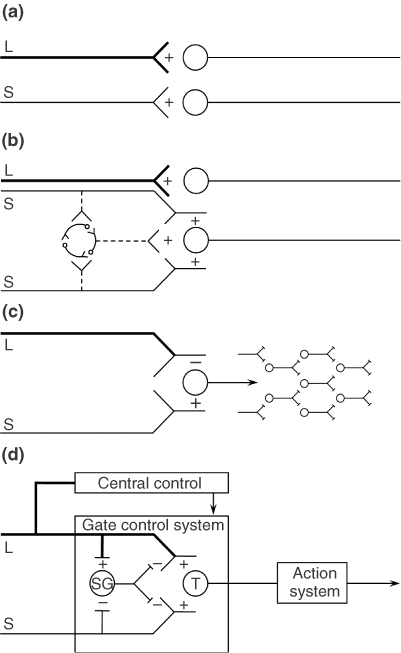
gatecontrolltheory

(D) Gate control theory. The large (L) and small (S) fibers project to the substantia gelatinosa (SG) and first central transmission (T) cells. The central control trigger is represented by a line running from the large fiber system to central control mechanisms, which in turn project back to the gate control system. The T cells project to the entry cells of the action system. +, excitation; −, inhibition.

THE GATE CONTROL THEORY OF PAIN

The Gate Control beskriver hvordan stimulering av store nervefibre, f.eks. å blåse på sår, stryke på huden, osv., (mekanoreseptorer i huden) kan overdøve smertesignalene som kommer fra små nervefibre (nociceptive C-fibre). Gate Control teorien var den første som viste hvordan sentralnervesystemet kunne nedregulere smerte ovenifra og ned. Som inkluderer hjernens respons på signalene fra kroppen.

The final model, depicted in Figure 1(d), is the first theory of pain to incorporate the central control processes of the brain.

The gate control theory of pain11 proposed that the transmission of nerve impulses from afferent fibers to spinal cord transmission (T) cells is modulated by a gating mechanism in the spinal dorsal horn. This gating mechanism is influenced by the relative amount of activity in large- and small-diameter fibers, so that large fibers tend to inhibit transmission (close the gate) while small-fibers tend to facilitate transmission (open the gate).

When the output of the spinal T cells exceeds a critical level, it activates the Action System—those neural areas that underlie the complex, sequential patterns of behavior and experience characteristic of pain.

Psychological factors, which were previously dismissed as ‘reactions to pain’, were now seen to be an integral part of pain processing and new avenues for pain control by psychological therapies were opened.

BEYOND THE GATE

We believe the great challenge ahead of us is to understand brain function. Melzack and Casey13 made a start by proposing that specialized systems in the brain are involved in the sensory-discriminative, motivational-affective and cognitive-evaluative dimensions of subjective pain experience (Figure 2).
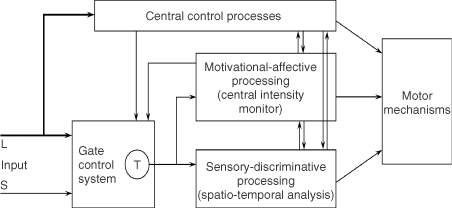
neuromatrixtheory

Figure 2. Conceptual model of the sensory, motivational, and central control determinants of pain. The output of the T (transmission) cells of the gate control system projects to the sensory-discriminative system and the motivational-affective system. The central control trigger is represented by a line running from the large fiber system to central control processes; these, in turn, project back to the gate control system, and to the sensory-discriminative and motivational-affective systems. All three systems interact with one another, and project to the motor system.

The newest version, the Short-Form McGill Pain Questionnaire-2,16 was designed to measure the qualities of both neuropathic and non-neuropathic pain in research and clinical settings.

In 1978, Melzack and Loeser17 described severe pains in the phantom body of paraplegic patients with verified total sections of the spinal cord, and proposed a central ‘pattern generating mechanism’ above the level of the section. This concept represented a revolutionary advance: it did not merely extend the gate; it said that pain could be generated by brain mechanisms in paraplegic patients in the absence of a spinal gate because the brain is completely disconnected from the cord. Psychophysical specificity, in such a concept, makes no sense; instead we must explore how patterns of nerve impulses generated in the brain can give rise to somesthetic experience.

Phantom Limbs and the Concept of a Neuromatrix

But there is a set of observations on pain in paraplegic patients that just does not fit the theory. This does not negate the gate theory, of course. Peripheral and spinal processes are obviously an important part of pain and we need to know more about the mechanisms of peripheral inflammation, spinal modulation, midbrain descending control, and so forth. But the data on painful phantoms below the level of total spinal cord section18,19 indicate that we need to go above the spinal cord and into the brain.

The cortex, Gybels and Tasker made amply clear, is not the pain center and neither is the thalamus.20 The areas of the brain involved in pain experience and behavior must include somatosensory projections as well as the limbic system.

First, because the phantom limb feels so real, it is reasonable to conclude that the body we normally feel is subserved by the same neural processes in the brain as the phantom; these brain processes are normally activated and modulated by inputs from the body but they can act in the absence of any inputs.

Second, all the qualities of experience we normally feel from the body, including pain, are also felt in the absence of inputs from the body; from this we may conclude that the origins of the patterns of experience lie in neural networks in the brain; stimuli may trigger the patterns but do not produce them.

Third, the body is perceived as a unity and is identified as the ‘self’, distinct from other people and the surrounding world. The experience of a unity of such diverse feelings, including the self as the point of orientation in the surrounding environment, is produced by central neural processes and cannot derive from the peripheral nervous system or spinal cord.

Fourth, the brain processes that underlie the body-self are ‘built-in’ by genetic specification, although this built-in substrate must, of course, be modified by experience, including social learning and cultural influences. These conclusions provide the basis of the conceptual model18,19,21 depicted in Figure 3.
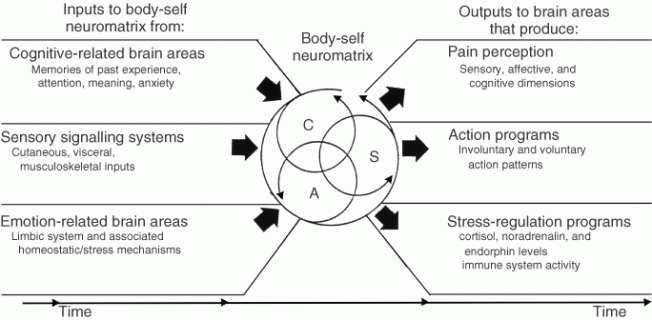
bodyselfneuromatrix

Figure 3. Factors that contribute to the patterns of activity generated by the body-self neuromatrix, which is comprised of sensory, affective, and cognitive neuromodules. The output patterns from the neuromatrix produce the multiple dimensions of pain experience, as well as concurrent homeostatic and behavioral responses.

Outline of the Theory

The anatomical substrate of the body-self is a large, widespread network of neurons that consists of loops between the thalamus and cortex as well as between the cortex and limbic system.18,19,21 The entire network, whose spatial distribution and synaptic links are initially determined genetically and are later sculpted by sensory inputs, is a neuromatrix. The loops diverge to permit parallel processing in different components of the neuromatrix and converge repeatedly to permit interactions between the output products of processing. The repeated cyclical processing and synthesis of nerve impulses through the neuromatrix imparts a characteristic pattern: the neurosignature. The neurosignature of the neuromatrix is imparted on all nerve impulse patterns that flow through it; the neurosignature is produced by the patterns of synaptic connections in the entire neuromatrix.

The neurosignature, which is a continuous output from the body-self neuromatrix, is projected to areas in the brain—the sentient neural hub—in which the stream of nerve impulses (the neurosignature modulated by ongoing inputs) is converted into a continually changing stream of awareness. Furthermore, the neurosignature patterns may also activate a second neuromatrix to produce movement, the action-neuromatrix .

The Body-Self Neuromatrix

The neuromatrix (not the stimulus, peripheral nerves or ‘brain center’) is the origin of the neurosignature; the neurosignature originates and takes form in the neuromatrix. Though the neurosignature may be activated or modulated by input, the input is only a ‘trigger’ and does not produce the neurosignature itself. The neuromatrix ‘casts’ its distinctive signature on all inputs (nerve impulse patterns) which flow through it.

The neuromatrix, distributed throughout many areas of the brain, comprises a widespread network of neurons which generates patterns, processes information that flows through it, and ultimately produces the pattern that is felt as a whole body.

Conceptual Reasons for a Neuromatrix

It is difficult to comprehend how individual bits of information from skin, joints, or muscles can all come together to produce the experience of a coherent, articulated body. At any instant in time, millions of nerve impulses arrive at the brain from all the body’s sensory systems, including the proprioceptive and vestibular systems. How can all this be integrated in a constantly changing unity of experience? Where does it all come together?

The neuromatrix, then, is a template of the whole, which provides the characteristic neural pattern for the whole body (the body’s neurosignature) as well as subsets of signature patterns (from neuromodules) that relate to events at (or in) different parts of the body

Alle har sett filmen The Matrix, sant? Spesielt scenen med «the spoonboy» er magisk: «Do not try to bend the spoon. That is impossible. Instead… only try to realize the truth» Neo: «What truth?». Spoonboy: «There is no spoon». Neo: «There is no spoon?». Spoonboy: «Then you´ll see, that it is not the spoon that bends, it is only your self». Dette har en direkte relasjon til smerteopplevelsen. Melzack forklarer:

Pain is not injury; the quality of pain experiences must not be confused with the physical event of breaking skin or bone. Warmth and cold are not ‘out there’; temperature changes occur ‘out there’, but the qualities of experience must be generated by structures in the brain. There are no external equivalents to stinging, smarting, tickling, itch; the qualities are produced by built-in neuromodules whose neurosignatures innately produce the qualities.

We do not learn to feel qualities of experience: our brains are built to produce them.

When all sensory systems are intact, inputs modulate the continuous neuromatrix output to produce the wide variety of experiences we feel. We may feel position, warmth, and several kinds of pain and pressure all at once. It is a single unitary feeling just as an orchestra produces a single unitary sound at any moment even though the sound comprises violins, cellos, horns, and so forth.

The experience of the body-self involves multiple dimensions—sensory, affective, evaluative, postural and many others.

To use a musical analogy once again, it is like the strings, tympani, woodwinds and brasses of a symphony orchestra which each comprise a part of the whole; each makes its unique contribution yet is an integral part of a single symphony which varies continually from beginning to end.

Action Patterns: The Action-Neuromatrix

The output of the body neuromatrix is directed at two systems: (1) the neuromatrix that produces awareness of the output, and (2) a neuromatrix involved in overt action patterns. Just as there is a steady stream of awareness, there is also a steady output of behavior (including movements during sleep).

It is important to recognize that behavior occurs only after the input has been at least partially synthesized and recognized. For example, when we respond to the experience of pain or itch, it is evident that the experience has been synthesized by the body-self neuromatrix (or relevant neuromodules) sufficiently for the neuromatrix to have imparted the neurosignature patterns that underlie the quality of experience, affect and meaning. Most behavior occurs only after inputs have been analyzed and synthesized sufficiently to produce meaningful experience.

When we reach for an apple, the visual input has clearly been synthesized by a neuromatrix so that it has 3-dimensional shape, color and meaning as an edible, desirable object, all of which are produced by the brain and are not in the object ‘out there’. When we respond to pain (by withdrawal or even by telephoning for an ambulance), we respond to an experience that has sensory qualities, affect and meaning as a dangerous (or potentially dangerous) event to the body.

After inputs from the body undergo transformation in the body-neuromatrix, the appropriate action patterns are activated concurrently (or nearly so) with the neuromatrix for experience. Thus, in the action-neuromatrix, cyclical processing and synthesis produces activation of several possible patterns, and their successive elimination, until one particular pattern emerges as the most appropriate for the circumstances at the moment. In this way, input and output are synthesized simultaneously, in parallel, not in series. This permits a smooth, continuous stream of action patterns.

Another entrenched assumption is that perception of one’s body results from sensory inputs that leave a memory in the brain; the total of these signals becomes the body image. But the existence of phantoms in people born without a limb or who have lost a limb at an early age suggests that the neural networks for perceiving the body and its parts are built into the brain.18,19,27,28

Phantoms become comprehensible once we recognize that the brain generates the experience of the body. Sensory inputs merely modulate that experience; they do not directly cause it.

Pain and Neuroplasticity

Plasticity related to pain represents persistent functional changes, or ‘somatic memories,’29–31 produced in the nervous system by injuries or other pathological events.

Denervation Hypersensitivity and Neuronal Hyperactivity

Clinical neurosurgery studies reveal a similar relationship between denervation and CNS hyperactivity. Neurons in the somatosensory thalamus of patients with neuropathic pain display high spontaneous firing rates, abnormal bursting activity, and evoked responses to stimulation of body areas that normally do not activate these neurons.34,35

Furthermore, in patients with neuropathic pain, electrical stimulation of subthalamic, thalamic and capsular regions may evoke pain36 and in some instances even reproduce the patient’s pain.37–39

It is possible that receptive field expansions and spontaneous activity generated in the CNS following peripheral nerve injury are, in part, mediated by alterations in normal inhibitory processes in the dorsal horn. Within four days of a peripheral nerve section there is a reduction in the dorsal root potential, and therefore, in the presynaptic inhibition it represents.40 Nerve section also induces a reduction in the inhibitory effect of A-fiber stimulation on activity in dorsal horn neurons.41

The fact that amputees are more likely to develop phantom limb pain if there is pain in the limb prior to amputation30 raises the possibility that the development of longer term neuropathic pain also can be prevented by reducing the potential for central sensitization at the time of amputation.52,53

Pain and Psychopathology

Pain that is ‘nonanatomical’ in distribution, spread of pain to non-injured territory, pain that is said to be out of proportion to the degree of injury, and pain in the absence of injury have all, at one time or another, been used as evidence to support the idea that psychological disturbance underlies the pain. Yet each of these features of supposed psychopathology can now be explained by neurophysiological mechanisms that involve an interplay between peripheral and central neural activity.4,60

This raises the intriguing possibility that the intensity of pain at the site of an injury may be facilitated by contralateral neurite loss induced by the ipsilateral injury68—a situation that most clinicians would never have imagined possible.

Taken together, these novel mechanisms that explain some of the most puzzling pain symptoms must keep us mindful that emotional distress and psychological disturbance in our patients are not at the root of the pain. In fact, more often than not, prolonged pain is the cause of distress, anxiety, and depression.

Attributing pain to a psychological disturbance is damaging to the patient and provider alike; it poisons the patient-provider relationship by introducing an element of mutual distrust and implicit (and at times, explicit) blame. It is devastating to the patient who feels at fault, disbelieved and alone.

Pain and Stress

We are so accustomed to considering pain as a purely sensory phenomenon that we have ignored the obvious fact that injury does not merely produce pain; it also disrupts the brain’s homeostatic regulation systems, thereby producing ‘stress’ and initiating complex programs to reinstate homeostasis. By recognizing the role of the stress system in pain processes, we discover that the scope of the puzzle of pain is vastly expanded and new pieces of the puzzle provide valuable clues in our quest to understand chronic pain.69

However, it is important for the purpose of understanding pain to keep in mind that stress involves a biological system that is activated by physical injury, infection, or any threat to biological homeostasis, as well as by psychological threat and insult of the body-self.

When injury occurs, sensory information rapidly alerts the brain and begins the complex sequence of events to re-establish homeostasis. Cytokines are released within seconds after injury. These substances, such as gamma-interferon, interleukins 1 and 6, and tumor necrosis factor, enter the bloodstream within 1–4 min and travel to the brain. The cytokines, therefore, are able to activate fibers that send messages to the brain and, concurrently, to breach the blood–brain barrier at specific sites and have an immediate effect on hypothalamic cells. The cytokines together with evaluative information from the brain rapidly begin a sequence of activities aimed at the release and utilization of glucose for necessary actions, such as removal of debris, the repair of tissues, and (sometimes) fever to destroy bacteria and other foreign substances. Following severe injury, the noradrenergic system is activated: epinephrine is released into the blood stream and the powerful locus coeruleus/norepinephrine system in the brainstem projects information upward throughout the brain and downward through the descending efferent sympathetic nervous system. Thus, the whole sympathetic system is activated to produce readiness of the heart, blood vessels, and other viscera for complex programs to reinstate homeostasis.70,71

At the same time, the perception of injury activates the hypothalamic–pituitary–adrenal (HPA) system and the release of cortisol from the adrenal cortex, which inevitably plays a powerful role in determining chronic pain. Cortisol also acts on the immune system and the endogeneous opioid system. Although these opioids are released within minutes, their initial function may be simply to inhibit or modulate the release of cortisol. Experiments with animals suggest that their analgesic effects may not appear until as long as 30 min after injury.

Cortisol is an essential hormone for survival because it is responsible for producing and maintaining high levels of glucose for rapid response after injury or major threat. However, cortisol is potentially a highly destructive substance because, to ensure a high level of glucose, it breaks down the protein in muscle and inhibits the ongoing replacement of calcium in bone. Sustained cortisol release, therefore, can produce myopathy, weakness, fatigue, and decalcification of bone. It can also accelerate neural degeneration of the hippocampus during aging. Furthermore, it suppresses the immune system.

Estrogen increases the release of peripheral cytokines, such as gamma-interferon, which in turn produce increased cortisol. This may explain why more females than males suffer from most kinds of chronic pain as well as painful autoimmune diseases such as multiple sclerosis and lupus.72

Some forms of chronic pain may occur as a result of the cumulative destructive effect of cortisol on muscle, bone, and neural tissue. Furthermore, loss of fibers in the hippocampus due to aging reduces a natural brake on cortisol release which is normally exerted by the hippocampus. As a result, cortisol is released in larger amounts, producing a greater loss of hippocampal fibers and a cascading deleterious effect

The cortisol output by itself may not be sufficient to cause any of these problems, but rather provides the conditions so that other contributing factors may, all together, produce them. 

The fact that several autoimmune diseases are also classified as chronic pain syndromes—such as Crohn’s disease, multiple sclerosis, rheumatoid arthritis, scleroderma, and lupus—suggests that the study of these syndromes in relation to stress effects and chronic pain could be fruitful. Immune suppression, which involves prolonging the presence of dead tissue, invading bacteria, and viruses, could produce a greater output of cytokines, with a consequent increase in cortisol and its destructive effects.

In some instances, pain itself may serve as a traumatic stressor.

Phantom Limb Pain

The cramping pain, however, may be due to messages from the action-neuromodule to move muscles in order to produce movement. In the absence of the limbs, the messages to move the muscles become more frequent and ‘stronger’ in the attempt to move the limb. The end result of the output message may be felt as cramping muscle pain. Shooting pains may have a similar origin, in which action-neuromodules attempt to move the body and send out abnormal patterns that are felt as shooting pain. The origins of these pains, then, lie in the brain.

Low-Back Pain

Protruding discs, arthritis of vertebral joints, tumors, and fractures are known to cause low back pain. However, about 60–70% of patients who suffer severe low back pain show no evidence of disc disease, arthritis, or any other symptoms that can be considered the cause of the pain. Even when there are clear-cut physical and neurological signs of disc herniation (in which the disc pushes out of its space and presses against nerve roots), surgery produces complete relief of back pain and related sciatic pain in only about 60% of cases.

A high proportion of cases of chronic back pain may be due to more subtle causes. The perpetual stresses and strains on the vertebral column (at discs and adjacent structures called facet joints) produce an increase in small blood vessels and fibrous tissue in the area.78 As a result, there is a release of substances that are known to produce inflammation and pain into local tissues and the blood stream; this whole stress cascade may be triggered repeatedly. The effect of stress-produced substances—such as cortisol and norepinephrine—at sites of minor lesions and inflammation could, if it occurs often and is prolonged, activate a neuromatrix program that anticipates increasingly severe damage and attempts to counteract it.

Fibromyalgia

An understanding of fibromyalgia has eluded us because we have failed to recognize the role of stress mechanisms in addition to the obvious sensory manifestations which have dominated research and hypotheses about the nature of fibromyalgia. Melzack’s interpretation of the available evidence is that the body-self neuromatrix’s response to stressful events fails to turn off when the stressor diminishes, so that the neuromatrix maintains a continuous state of alertness to threat. It is possible that this readiness for action produces fatigue in muscles, comparable to the fatigue felt by paraplegics in their phantom legs when they spontaneously make cycling movements.24 It is also possible that the prolonged tension maintained in particular sets of muscles produces the characteristic pattern of tender spots.

The persistent low-level stress (i.e., the failure of the stress response to cease) would produce anomalous alpha waves during deep sleep, greater feelings of fatigue, higher generalized sensitivity to all sensory inputs, and a low-level, sustained output of the stress-regulation system, reflected in a depletion of circulating cortisol.

Ukjent sin avatar

The underlying mechanisms for development of hypertension in the metabolic syndrome

Studie som nevner «alt» om insulinresistens og hva det gjør i kroppen: magefett, symatisk overstimulering, oksidativt stress og blodkardysfunksjon, renin-angiotensin, betennelser og søvnapne.

http://www.nutritionj.com/content/7/1/10

«Visceral obesity, insulin resistance, oxidative stress, endothelial dysfunction, activated renin-angiotensin system, increased inflammatory mediators, and obstructive sleep apnea have been proposed to be possible factors to develop hypertension in the metabolic syndrome. These factors may induce sympathetic overactivity, vasoconstriction, increased intravascular fluid, and decreased vasodilatation, leading to development of hypertension in the metabolic syndrome.»

«As shown in Figure 1, accumulated visceral adipose tissue produce and secrete a number of adipocytokines, such as leptin, tumor necrosis factor-α (TNF-α), interleukin-6 (IL-6), angiotensinogen, and non-esterified fatty acids (NEFA), which induce development of hypertension [11]. «

«Insulin resistance is the main pathophysiologic feature of the metabolic syndrome. Several mechanisms connect insulin resistance with hypertension in the metabolic syndrome. An anti-natriuretic effect of insulin has been established by accumulating data indicating that insulin stimulates renal sodium re-absorption [1214]. This anti-natriuretic effect is preserved, and may be increased in individuals with insulin resistance, and this effect may play an important role for development of hypertension in the metabolic syndrome [15].»

«NEFA has been reported to raise blood pressure, heart rate, and α1-adrenoceptor vasoreactivity, while reducing baroreflex sensitivity, endothelium-dependent vasodilatation, and vascular compliance[28]. Insulin resistance increases plasma leptin levels, and leptin has been reported to elevate sympathetic nervous activity, suggesting that leptin-dependent sympathetic nervous activation may contribute to an obesity-associated hypertension [29]. Accumulating data suggest that metabolic syndrome is associated with markers of adrenergic overdrive [30].»

«In rats with the metabolic syndrome, induced by chronic consumption of a high fat, high refined sugar [31], hypertension is associated with oxidative stress [32], avid nitric oxide (NO) inactivation, and down-regulation of NO synthase (NOS) isoforms and endothelial NOS activator[32], suggesting that oxidative stress and endothelial dysfunction may be strongly associated with development of hypertension in the metabolic syndrome. Further, recent evidences suggest that oxidative stress, which is elevated in the metabolic syndrome [33], is associated with sodium retention and salt sensitivity [34].»

«The renin-angiotensin system (RAS) plays a crucial role in blood pressure regulation, by affecting renal function and by modulating vascular tone. The activity of the RAS appears to be regulated by food intake, and overfeeding of rodents has been reported to lead to increased formation of angiotensin II in adipocytes [38]. «

«Recent cohort studies have demonstrated that high-sensitivity C-reactive protein (hsCRP) independently presents additive prognostic values at all levels of metabolic syndrome [45]. Ridker PM, et al. suggest a consideration of adding hsCRP as a clinical criterion for metabolic syndrome[45]. Abnormalities in inflammatory mediators have been also reported to be implicated with development of hypertension.»

«TNF-α is involved in the pathophysiology of hypertension in the metabolic syndrome. TNF-α stimulates the production of endothelin-1 and angiotensinogen [48,49].»

«IL-6 stimulates the central nervous system and sympathetic nervous system, which may result in hypertension [54,55]. The administration of IL-6 leads to elevation in heart rate and serum norepinephrine levels in women [56]. Further, IL-6 induces an increase in plasma angiotensinogen and angiotensin II [57], leading to development of hypertension.»

«Patients with OSA are often considered to be obese, however, Kono M et al. reported that OSA was associated with hypertension, dyslipidemia, and hyperglycemia, independent of visceral obesity [59]. «