Ukjent sin avatar

Breathing pattern and thoracoabdominal motion in healthy individuals: influence of age and sex

Om pustemønstre i forskjellige aldre og mellom forskjellig kjønn. Viser hva som er normalt i befolkningen (i Brasil) blandt de som ikke har noen sykdommer. 104 mennesker var med så dette regnes som en ganske stor studie. Man regner «normal» tidal volume til å være 500ml pr pust, men studien viser at den er nede på 350ml for de fleste.

http://www.scielo.br/pdf/rbfis/v14n5/en_a10v14n5.pdf

«he data found in this study suggest that the breathing pattern is influenced by sex whereas the thoracoabdominal motion is influenced by age.»

«In addition, the women presented higher respiratory frequency, thus suggesting that they tended to breathe more rapidly than the men »

kvinner     menn 20-39 år

325±127 441±114 *  Vt (ml)   tidal volume

15±2 13±4  f(breaths/min)  respiratory frequency

4.69±1.34   5.61±1.13 *    VE (l/min)  minute ventilation

46±15   39±10   %RC   rib cage motion

7±3   8±3  PhRIB (%)   inspiratory phase relation

15±7   15±6   PhREB (%)    expiratory phase relation

11±5   10±6   PhaseAng (°)    phase angle

phase angle (PhaseAng), which reflected the delay between rib cage and abdomen excursions

inspiratory phase relation (PhRIB) and expiratory phase relation (PhREB), which reflected the percentage of time during one breath in which the rib cage and abdomen moved in opposite directions, respectively

Ukjent sin avatar

Acute increases in night-time plasma melatonin levels following a period of meditation

Viser hvordan melatonin øker om kvelden etter en meditasjonsøkt. Melatonin er viktig for mange ting i kroppen. Det er best kjent som et søvnhormon, men det er også kroppens «master restitution hormone».

http://www.ncbi.nlm.nih.gov/pubmed/10876066

http://www.sciencedirect.com/science/article/pii/S0301051100000351

» It is concluded that meditation, at least in the two forms studied here, can affect plasma melatonin levels. It remains to be determined whether this is achieved through decreased hepatic metabolism of the hormone or via a direct effect on pineal physiology.»

Ukjent sin avatar

Feedback of End-tidal pCO2 as a Therapeutic Approach for Panic Disorder

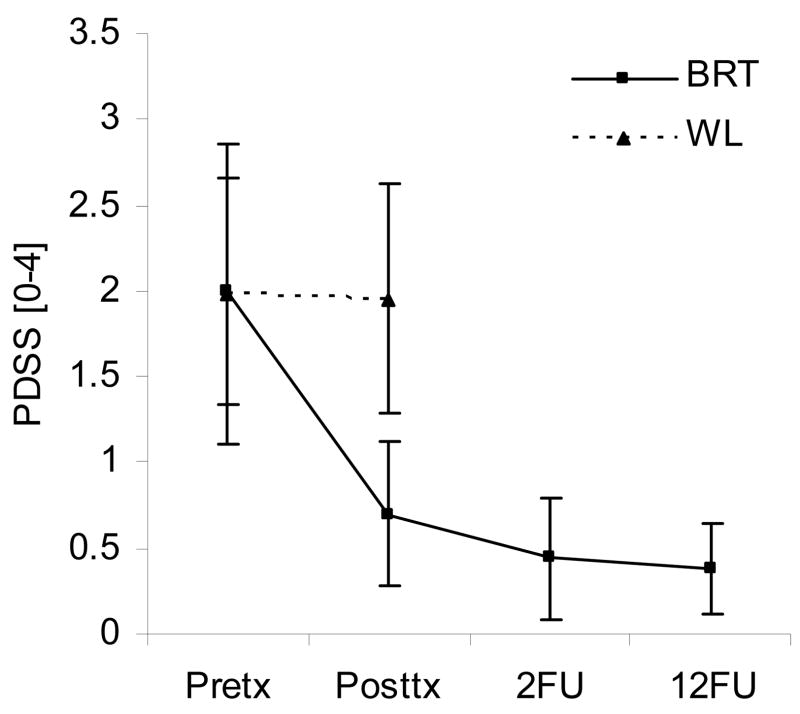
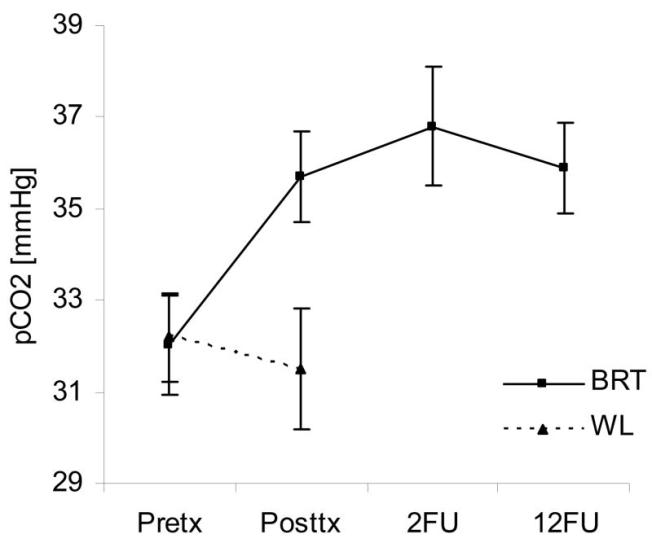
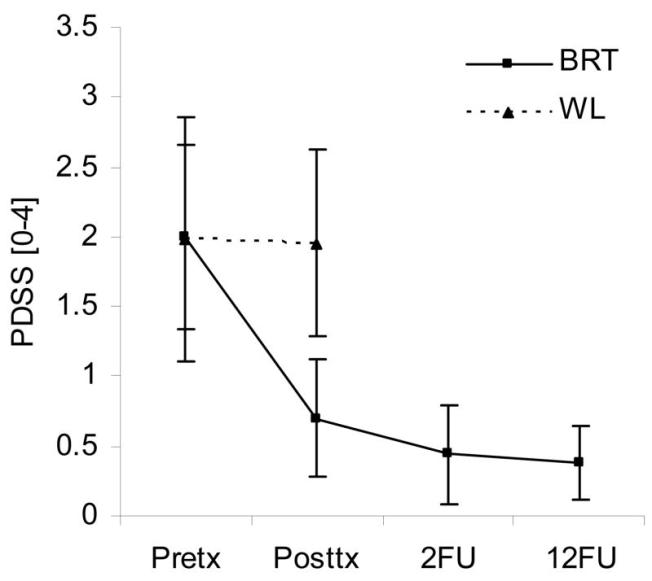
Beskriver hvordan pustemønster er en grunnleggende aspekt av panikkangst og at pusteteknikker for å øke CO2 ved hjelpe av Capnografisk biofeedback virker terapeutisk med svært gode resultater. Etter 12 mnd rapportert 68% at de var blitt fri fra panikkangst og hele 96% var «mye bedre».

http://www.ncbi.nlm.nih.gov/pmc/articles/PMC2890048/

«Significant improvements (in PD severity, agoraphobic avoidance, anxiety sensitivity, disability, and respiratory measures) were seen in treated but not untreated patients, with moderate to large effect sizes. Improvements were maintained at follow-up. »

«That such training will result in higher levels of pCO2 cannot be taken for granted, since the usual instruction to breathe slowly can actually lead to decreases in pCO2 (Meuret et al., 2003; Ley, 1991), probably because of deeper individual breaths (higher tidal volumes) stimulated by feelings of suffocation.»

«Klein’s suffocation alarm hypothesis (Klein, 1993), for example, suggests that both panic attacks and the consistent respiratory abnormalities seen in panic patients may be due to hypersensitive, medullary carbon dioxide (CO2) detectors. »
nihms46964f2

nihms46964f3

The treatment had five major components: (a) educating patients about the role of breathing in the etiology and maintenance of PD, (b) directing their attention to potentially problematic respiratory patterns, particularly those observed during the extended physiological monitoring, (c) having them perform different breathing maneuvers with capnometer feedback to experience how changes in breathing affect physiology, symptoms, and mood, (d) teaching them ways to simultaneously control pCO2 level and RR (e) and having them practice breathing exercises daily.

Individual training exercises, to be performed twice- daily for 17-min, at home or elsewhere, consisted of three parts: (a) a baseline period (baseline), during which patients sat quietly with their eyes closed for 2-min, (b) a 10-min paced breathing period (paced) during which patients breathed in synchrony with tones while occasionally checking their pCO2 and RR on a feedback device, and (c) a 5-min breathing period without pacing tones during which patients were to maintain their previously paced RR and pCO2 level using the feedback device (transfer).

In addition, patients were provided with a pocket-sized tape player and audiotapes with instructions and pacing tones for their exercises. The tones were set to correspond to a RR of 13 breaths per minute in the first week, and rates of 11, 9, and 6 breaths per minute in successive following weeks.

During the maintenance period (between 2 and12-month FU) nine of the patients taking psychotropic medication had reduced their doses or discontinued medication altogether; four patients initiated alternative (n=3, relaxation, yoga, spiritual guidance) or psychological treatment (n=1, cognitive therapy).

Post-hoc tests showed that pCO2 dropped significantly below baseline level during paced breathing and transfer in week 1 (34.7 and 34.5 mmHg). It reached the highest levels (around 38 mmHg) for all three phases during week 4.

«At posttreatment 40% had experienced no further panic attack during the four week period. At 2-month follow-up 62% had experienced no further panic attack since the end of treatment and 68% were panic-free at 12-month follow-up. Eighty-eight percent at 2-month follow-up and 96% at 12-month follow-up were either “much improved” or “very much improved” »

The results of this study suggest that a new, brief, capnometry-assisted breathing therapy (BRT), which specifically teaches patients to raise pCO2 levels by regular slow and shallow breathing, can be therapeutic in PD. Significant improvements were seen in treated but not untreated patients, with respect to PD severity, agoraphobic avoidance, anxiety sensitivity, disability, and respiratory measures. Psychological measures continued to be improved or improved further at 2-month and 12-month reassessments. Mean pCO2 increased from hypocapnic to normocapnic levels over the course of treatment and remained normocapnic at follow-up.

«Repeated elevation of pCO2 during homework sessions may have desensitized a hypersensitive suffocation alarm system (Klein, 1993), reducing panic vulnerability. Such desensitization could increase tolerance for incidental increases of arterial pCO2during daily life and result in fewer compensatory hyperventilatory episodes.»

Alternatively, in so far as hyperventilation itself can cause panic attacks (Ley, 1985), practiced skill at raising pCO2 could directly reduce risk. The fact that an inability to normalize breathing quickly after paced hyperventilation was associated with less clinical recovery suggests that respiratory and clinical outcomes were linked.

Thus, non-respiratory mechanisms may also have played a role in patient improvement. For instance, the treatment rationale provided to patients included cognitive components that may have counteracted catastrophic thinking and given patients a greater sense of control. The paced breathing exercises, which often triggered uncomfortable sensations similar to those experienced during panic attacks (Meuret et al., 2003), may have produced interoceptive exposure and desensitization to bodily cues that was not respiration-specific (Craske et al., 1997). The slight decreases of pCO2 during home-exercises could be indicative of such an unpleasant exposure effect.

Ukjent sin avatar

End-tidal versus transcutaneous measurement of PCO2 during voluntary hypo- and hyperventilation

Nevner at «paused breathing» øker CO2 mest, og viser hvordan CO2 påvirkes av forskjellige pustefrekvenser. Å øke CO2 virker terapeutisk mot panikkangst. I denne studien pustet de riktig nok 3 pust i minuttet, men deres paused breathing innebar ett sekund inn, holde pusten i 18 sekunder, og så ett sekund ut. Det er en ganske mye mer anstrengende måte å puste på. De nevner ingen ting om hvordan deltakerne opplevde denne pusteteknikken i studien.

Pubmed artikkel: http://www.ncbi.nlm.nih.gov/pubmed/18706460
Bilder: http://www.sciencedirect.com/science/article/pii/S0167876008007654

«Recent studies have shown that end-tidal PCO2 is lower during anxiety and stress, and that changing PCO2by altering breathing is therapeutic in panic disorder.»

«Both methods documented that paused breathing was effective for raising PCO(2), a presumed antidote for anxious hyperventilation.»

«The results show that PCO2 estimated by the two methods was comparable except that for transcutaneous measurement registration of changes in PCO2 was delayed and absolute levels were much higher.«

Ukjent sin avatar

Placebo response to manual therapy: something out of nothing

Nevner at placebo bør inkluderes som en del av behandling for å maksimere smertedempende effekt og behandlingsresultater.

http://www.ncbi.nlm.nih.gov/pmc/articles/PMC3172952/pdf/jmt-19-01-011.pdf

«We suggest that manual therapists conceptualize placebo not only as a comparative intervention, but also as a potential active mechanism to partially account for treatment effects associated with manual therapy. We are not suggesting manual therapists include known sham or ineffective interventions in their clinical practice, but take steps to maximize placebo responses to reduce pain.»

Ukjent sin avatar

Skeletal and hormonal effects of magnesium deficiency

Nevner magnesium sin rolle i smerte, referert til fra wiki artikkel om neurogenic inflammation.

http://www.ncbi.nlm.nih.gov/m/pubmed/19828898/

«Mg deficiency in the rat and/or mouse results in increased skeletal substance P, which in turn stimulates production of cytokines. With the use of immunohistocytochemistry, we found that Mg deficiency resulted in an increase in substance P, TNFalpha and IL1beta. «

Ukjent sin avatar

Peripheral Neuropathy Fact Sheet

Om perifer nevropati og årsaker. Nevner blodsirkulasjon og at nerven får oksygenmangel når blodkar trekker seg sammen.

http://www.ninds.nih.gov/disorders/peripheralneuropathy/detail_peripheralneuropathy.htm#183593208

«Vascular damage and blood diseases
can decrease oxygen supply to the peripheral nerves and quickly lead to serious damage to or death of nerve tissues, much as a sudden lack of oxygen to the brain can cause a stroke. Diabetes frequently leads to blood vessel constriction. Various forms of vasculitis (blood vessel inflammation) frequently cause vessel walls to harden, thicken, and develop scar tissue, decreasing their diameter and impeding blood flow. This category of nerve damage, in which isolated nerves in different areas are damaged, is called mononeuropathy multiplex or multifocal mononeuropathy.»

Ukjent sin avatar

Complex Interaction of Sensory and Motor Signs and Symptoms in Chronic CRPS

Nevner sammenhengen mellom nervebetennelser, stress, depresjon, m.m. i kroniske smerter. Bl.a. at «varm» vs «kald» tilstand i hånden viser til om det er i starten eller har pågått lenger enn 1 år. Den «kalde» tilstanden er mer smertefull.

http://www.plosone.org/article/info%3Adoi%2F10.1371%2Fjournal.pone.0018775#pone-0018775-g007

«we developed a model based on interaction analysis suggesting a complex hierarchical interaction of peripheral (injury/sensory loss) and central factors (pain/disability/stress/depression) predicting motor dysfunction and hyperalgesia.»

«As the presence of an inducible autonomic nervous system autoantigen has been recently demonstrated in CRPS patients, one may speculate about possible interactions between autoimmune and inflammatory processes dominating the acute phase of CRPS, whereas in chronic CRPS the clinical signs of peripheral neurogenic inflammation and autonomic dysfunction may have mostly subsided due to post-inflammatory burn-out.»

«Furthermore, it has been demonstrated that patients initially classified as “cold” CRPS showed more pain when re-evaluated several years after the initial assessment [3]. “Warm” CRPS seems to be predominant in the acute phase of CRPS, where signs of peripheral neurogenic inflammation dominate»